Zazzle Shop

Screen printing
Showing posts with label National Parks. Show all posts

Thursday, December 16, 2010

20 Overlooked National Landmarks in the U.S.

Written by Hal Amen
 From http://matadornetwork.com/

America is large, with tons of landmark sites beyond Niagara, Mt. Rushmore, and the Statue of Liberty.
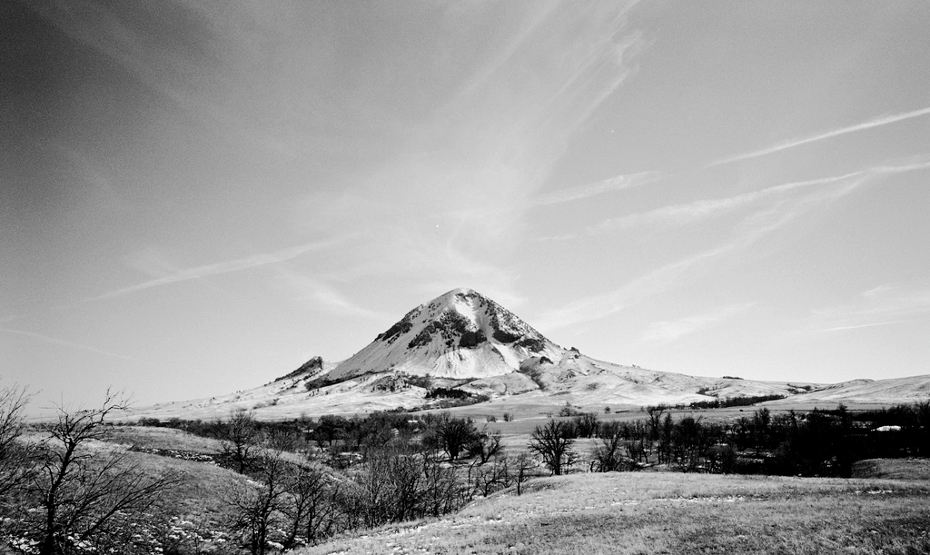
Bear Butte  

1. Bear Butte, SD
Overshadowed by: Nearby Mt. Rushmore
Cool features: The 4,400ft igneous uplift, just north of the Black Hills, is held as sacred by the Lakota, Cheyenne, and other American Indian peoples of the region, who often make pilgrimages to the butte and leave offerings on its slopes. Respectful visitors can check it out in Bear Butte State Park.
Photo: Lars Plougmann
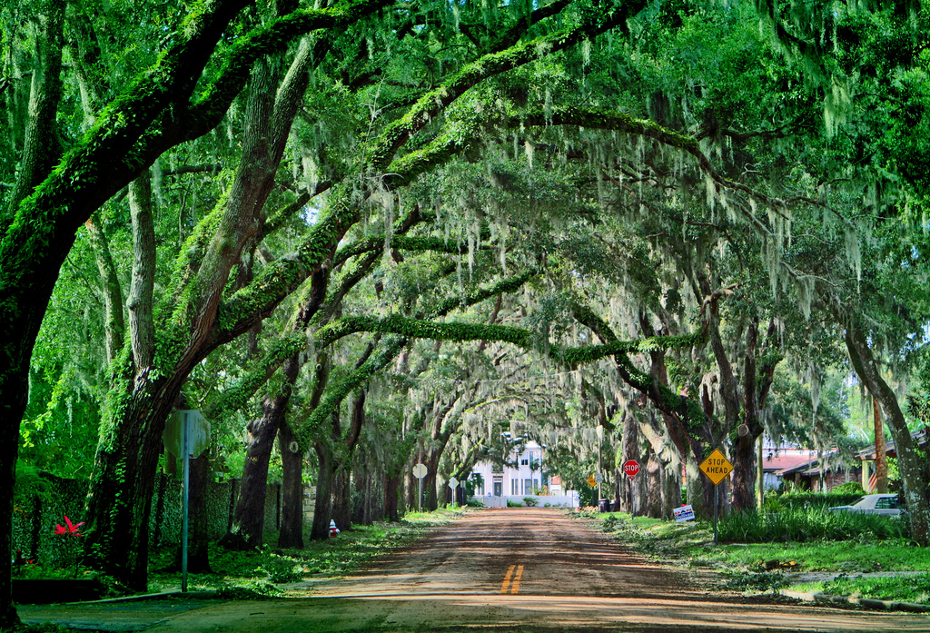
St. Augustine, Florida
 
2. St. Augustine, FL
Overshadowed by: Jamestown, VA
Cool features: Founded by the Spanish in 1565, St. Augustine is “the oldest continuously occupied European-established city and port in the continental United States” (Wikipedia). The picture above is taken in front of the Fountain of Youth, a tribute to what Spanish explorers were looking for when they came to Florida.
Photo: minds-eye
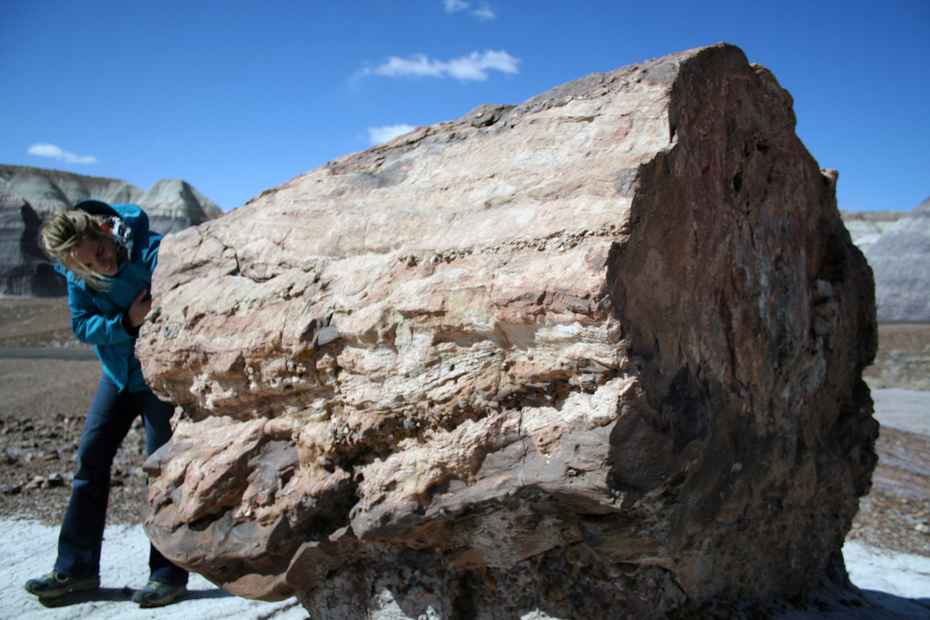
Petrified wood
 
3. Petrified Forest National Park, AZ
Overshadowed by: Nearby Grand Canyon National Park
Cool features: Adjacent to northeastern Arizona’s Painted Desert, Petrified Forest is pretty colorful itself. It’s also home to fossilized trees that grew 225 million years ago.
Photo: Skinned Mink
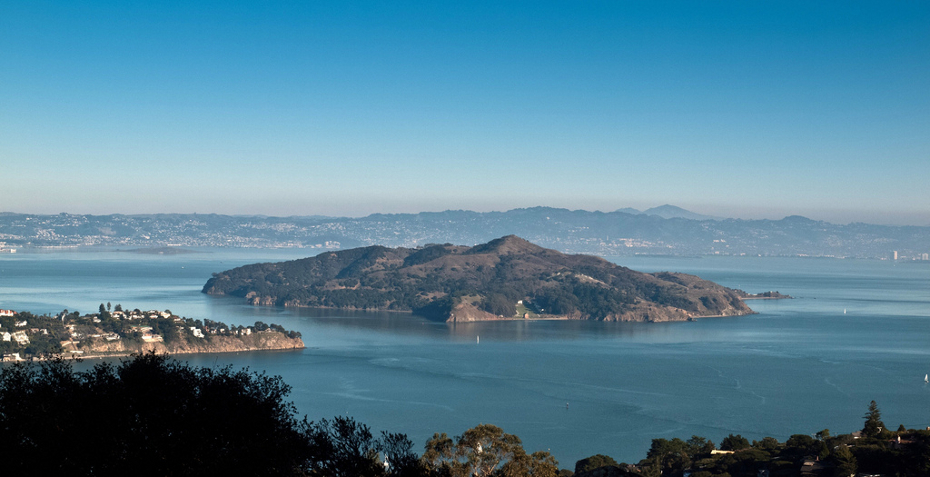
Angel Island

4. Angel Island, CA
Overshadowed by: Alcatraz Island, Ellis Island
Cool features: San Francisco Bay’s Angel Island was the point of entry for many Asian immigrants to America. Its museum and research center make it a great place to celebrate Asian-Pacific American Heritage Month.
Photo: Franco Folini
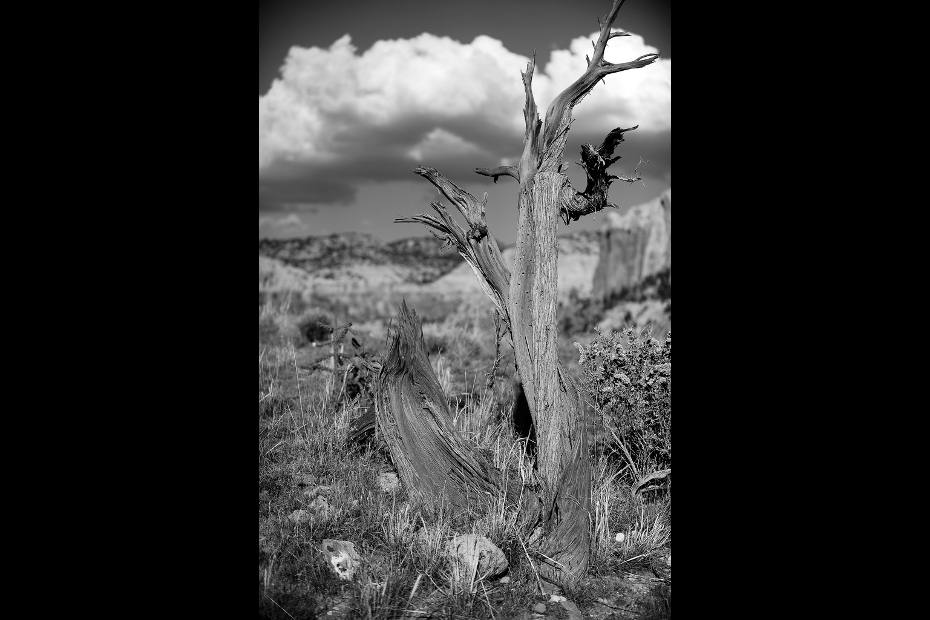
Ghost Ranch still life
 
5. Ghost Ranch, NM
Overshadowed by: The Santa Fe art scene
Cool features: The Ghost Ranch complex is a 21,000-acre retreat near Abiquiu and is where American artist Georgia O’Keeffe found much of the inspiration behind her landscape and nature paintings. Dinosaur fossils are also frequently uncovered on the property.
Photo: Randy Pertiet
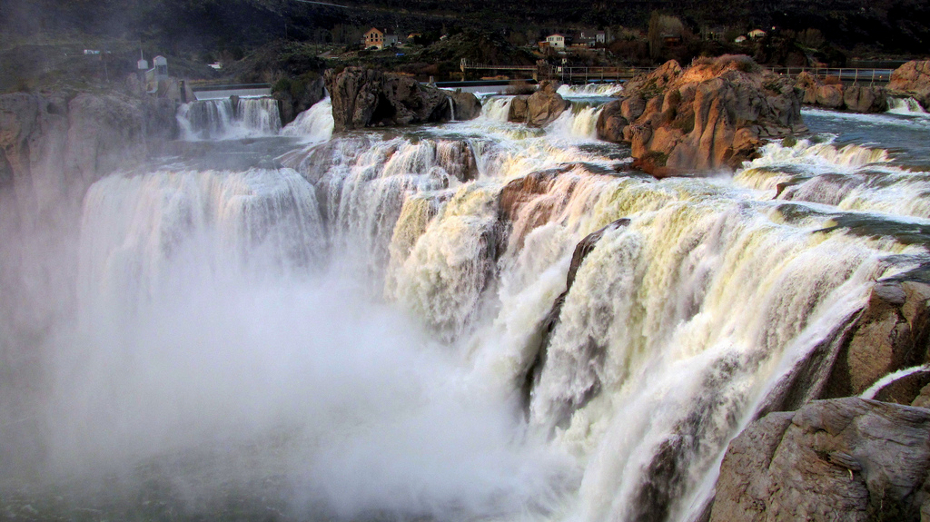
Shoshone Falls  

6. Shoshone Falls, ID
Overshadowed by: Niagara
Cool features: This falls in southern Idaho is 45 feet taller than its world-famous counterpart in the East and fills a spillage width of 1,000 feet during runoff season. Swimming, boating, hiking, and picnicking opportunities are available.
Photo: The Shutterbugette
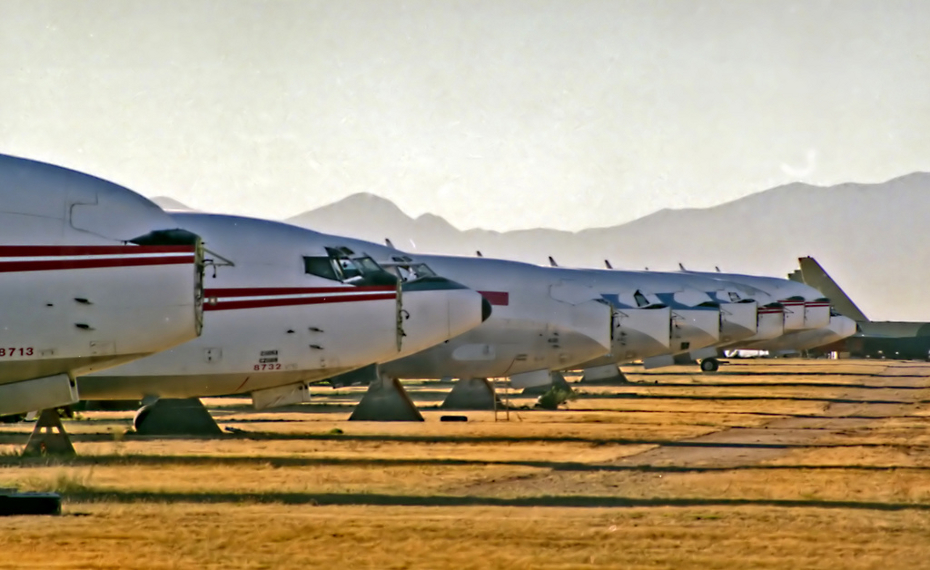
Davis Monthan AFB boneyard  

7. Airplane Boneyard, AZ
Overshadowed by: Real airports
Cool features: The aircraft boneyard at Davis-Monthan AFB, near Tuscon, is one of many such storage and scrap facilities in the American Southwest, where a dry climate and hard, compacted soil make it feasible to leave huge planes to sit for decades.
Photo: PhillipC
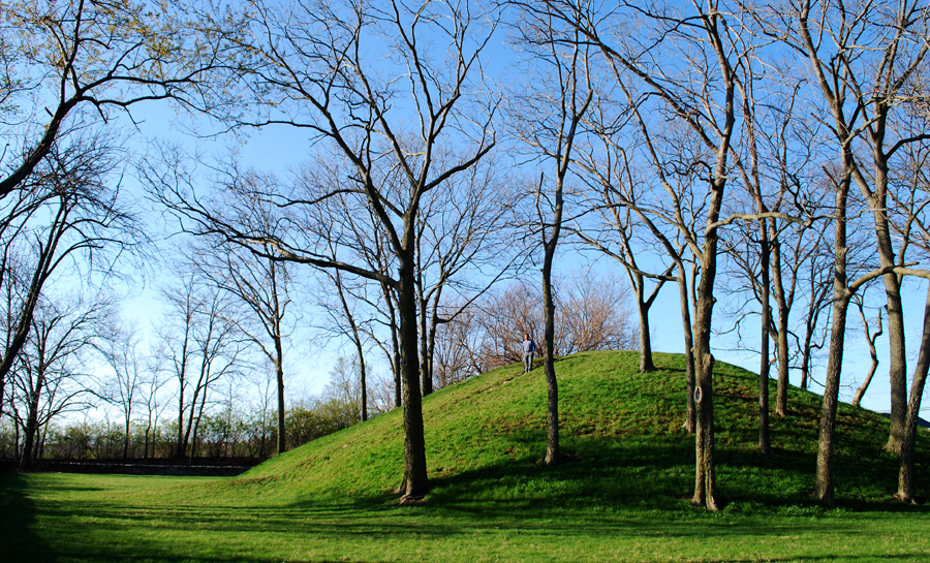
Burial mound, Ohio
 
8. Indian Mounds, nationwide
Overshadowed by: An apparent educational basis in the study of Native American history
Cool features: Burial mounds scattered across the country, with high concentrations along the Mississippi, belie the idea that North American Indians never created monumental structures. The mound pictured above is just outside Columbus, OH.
Photo: spisharam
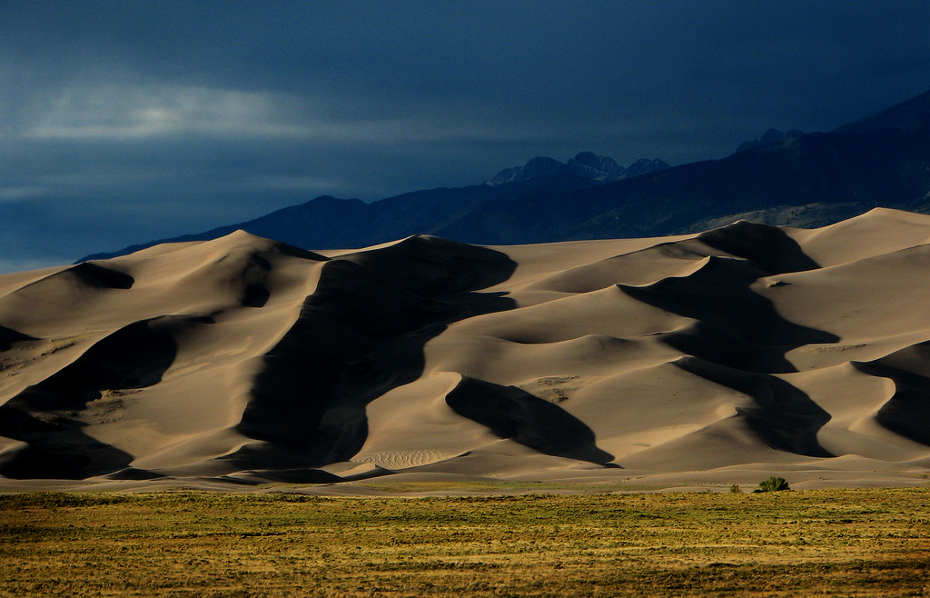
Sand dunes, CO  

9. Great Sand Dunes National Park, CO
Overshadowed by: Colorado’s mountains
Cool features: This new national park, created in 2004, is surprisingly overlooked, given it has the tallest dunes in North America and a backdrop made up of 14′ers in the Sangre de Cristo Range. It’s also a great place to get started sandboarding.
Photo: knasen
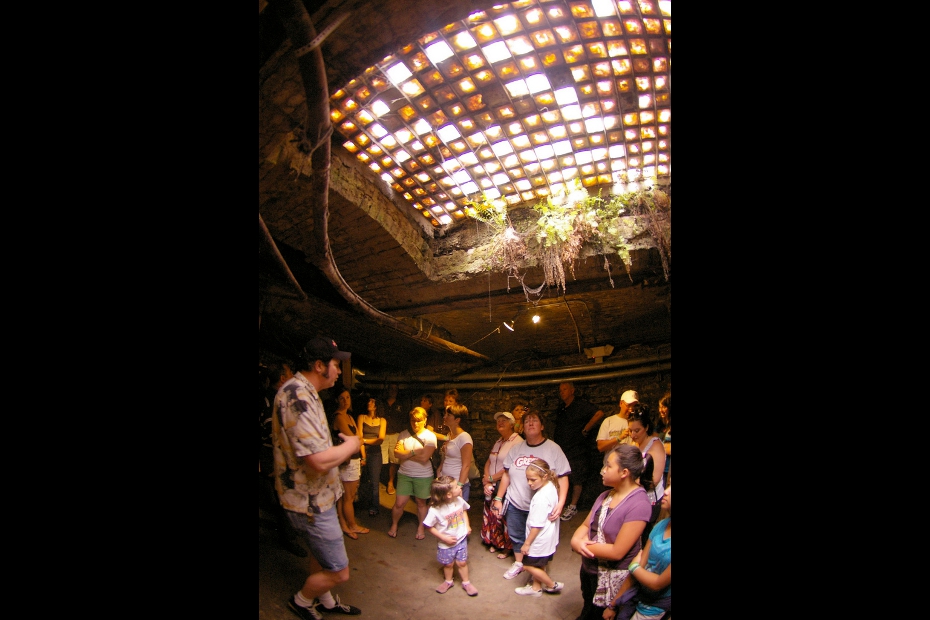
Seattle underground tour  
10. Seattle Underground
Overshadowed by: Ground-level Seattle
Cool features: In 1889, a fire burned Seattle to the ground. To rebuild, citizens raised the city, constructing the new directly on top of the old. Matador Goods coeditor Michelle Schusterman blogs about this landmark in Before the Streets Were Raised.
Photo: zaui
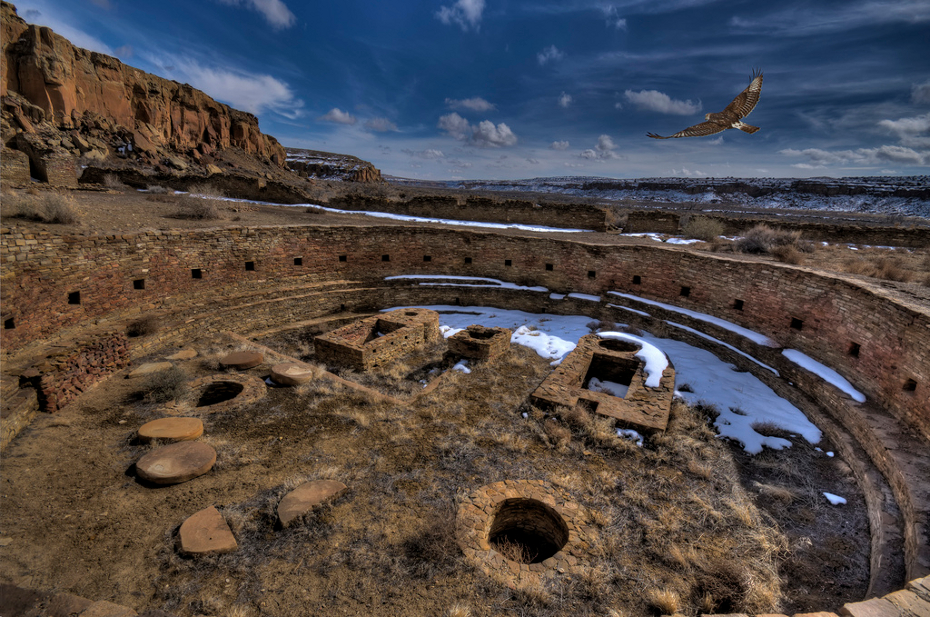

Kiva at Chetro Ketl  
11. Chetro Ketl, NM
Overshadowed by: Pueblo Bonita and the greater Chaco Canyon
Cool features: The name of the historical culture and the canyon that housed it has penetrated into public awareness much more so than one of its most intricate and well preserved pueblos, Chetro Ketl. The canyon is a national historic park, with camping open year round.
Photo: snowpeak
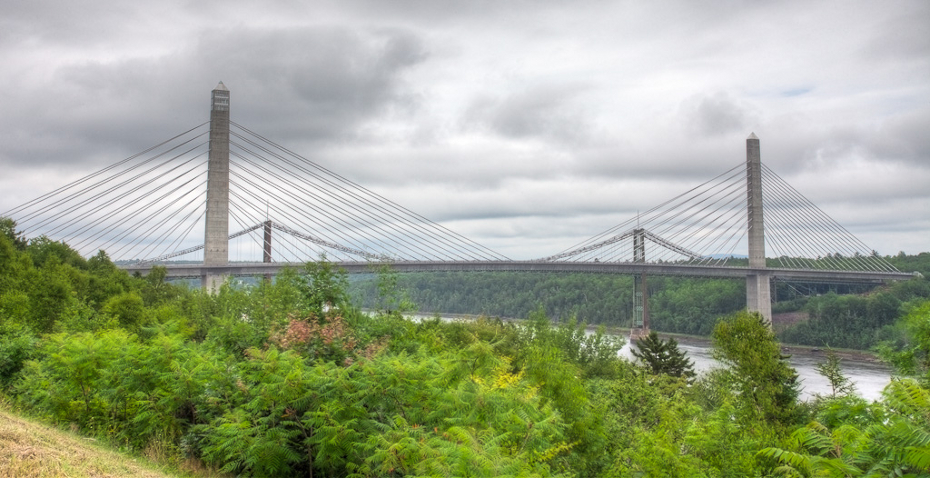
Bucksport bridge  
12. Penobscot Narrows Bridge, ME
Overshadowed by: Golden Gate, Brooklyn, and other famous U.S. bridges
Cool features: The engineering sophistication that went into the four-year-old bridge seems incongruous with its location in small-town Maine. But the coolest part is the observation post built into the western tower. It’s the tallest such observatory in the world.
Photo: sskennel
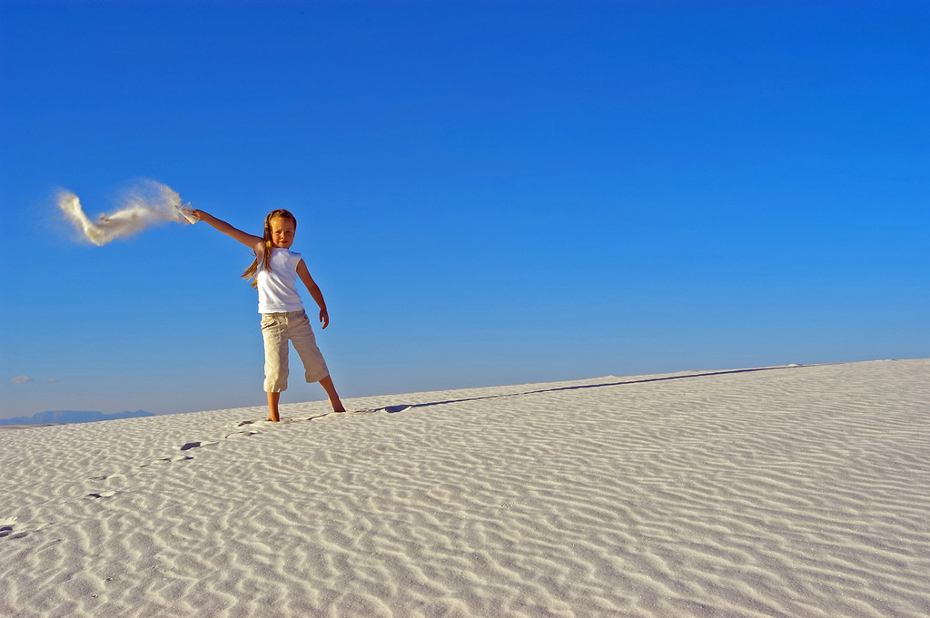
Girl at White Sands  
13. White Sands National Monument, NM
Overshadowed by: New Mexico’s archaeological sites
Cool features: New Mexico’s White Sands is 275 square miles of gypsum dunes, 15 miles southwest of Alamogordo.
Photo: a4gpa
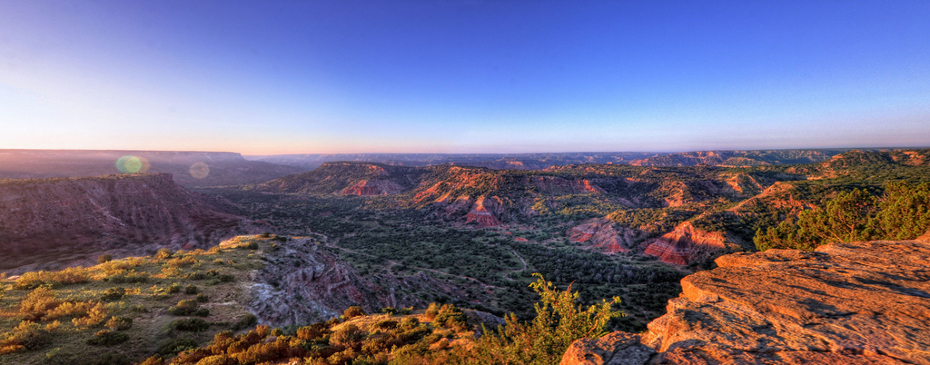
Palo Duro sunrise  
14. Palo Duro Canyon, TX
Overshadowed by: Grand Canyon
Cool features: Though nowhere near the scope of America’s “grand” master, Palo Duro is the second largest canyon system in the country. It’s currently protected by a Texas state park of the same name.
Photo: r w h
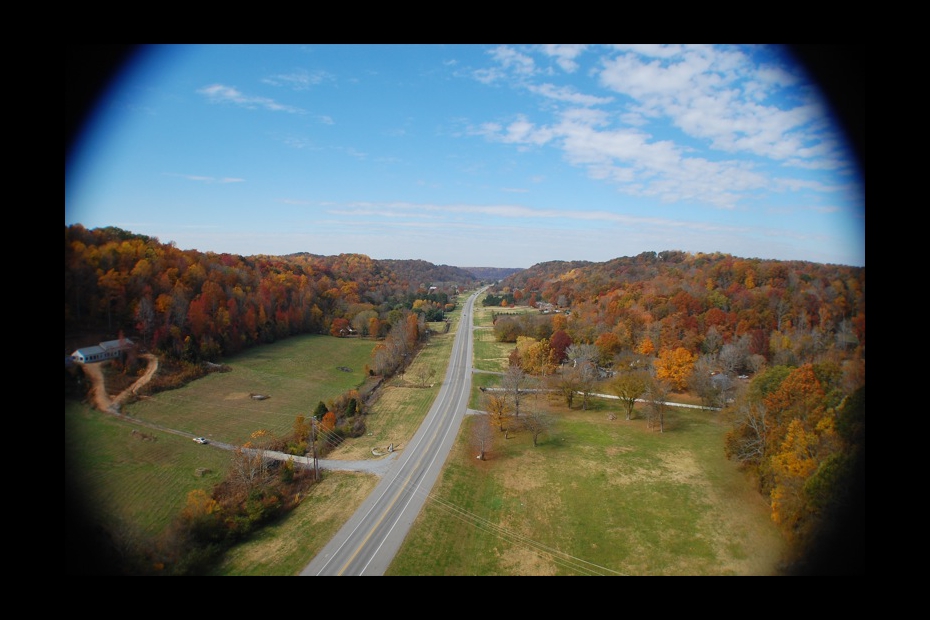
Natchez Trace from the air  
15. Natchez Trace Parkway
Overshadowed by: Blue Ridge Parkway
Cool features: Not nearly as mountainous as its Blue Ridge counterpart, the Natchez Trace Parkway makes for a smooth 444-mile cruise from southwestern Mississippi up to the outskirts of Nashville. It follows the path of the old Natchez Trace, which once served as a hunting and trade route for native peoples and later Europeans/Americans.
Photo: brandongreer
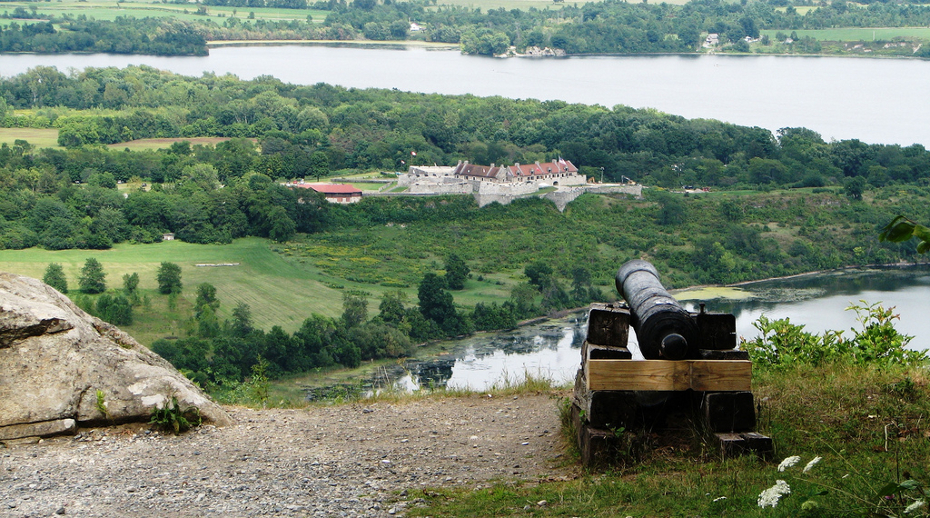
Fort Ticonderoga from Mt. Defiance  
16. Fort Ticonderoga, NY
Overshadowed by: Gettysburg
Cool features: This strategic fort was captured by the Green Mountain Boys at the start of the American Revolution. Also overlooked is the fact that infamous traitor Benedict Arnold was instrumental in the Revolutionary forces’ 1775 victory here.
Photo: Slabcity Gang
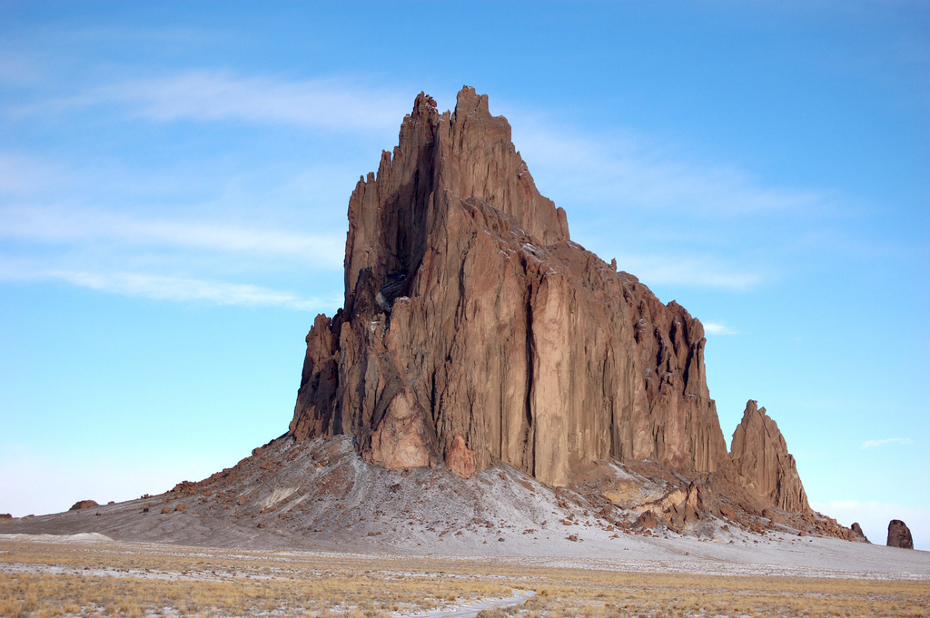
Shiprock  
17. Shiprock, NM
Overshadowed by: Monument Valley
Cool features: Like Bear Butte, Shiprock is considered sacred by the indigenous peoples of the region. To me, it looks like that sweet mobile fortress in Krull.
Photo: bowiesnodgrass
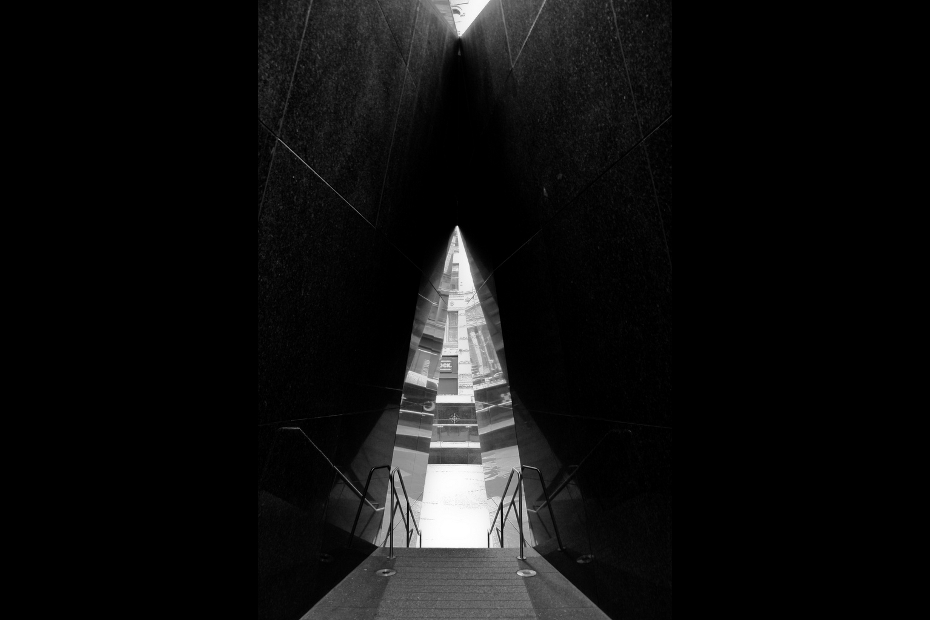
African Burial Ground  
18. African Burial Ground, NYC
Overshadowed by: New York’s many other historical and cultural offerings
Cool features: In 1991, the remains of 400 Africans (both free and enslaved) were uncovered in Lower Manhattan. You can read more about the site at Collazo Projects, the blog of Matador’s managing editor, Julie Schwietert.
Photo: A. Strakey
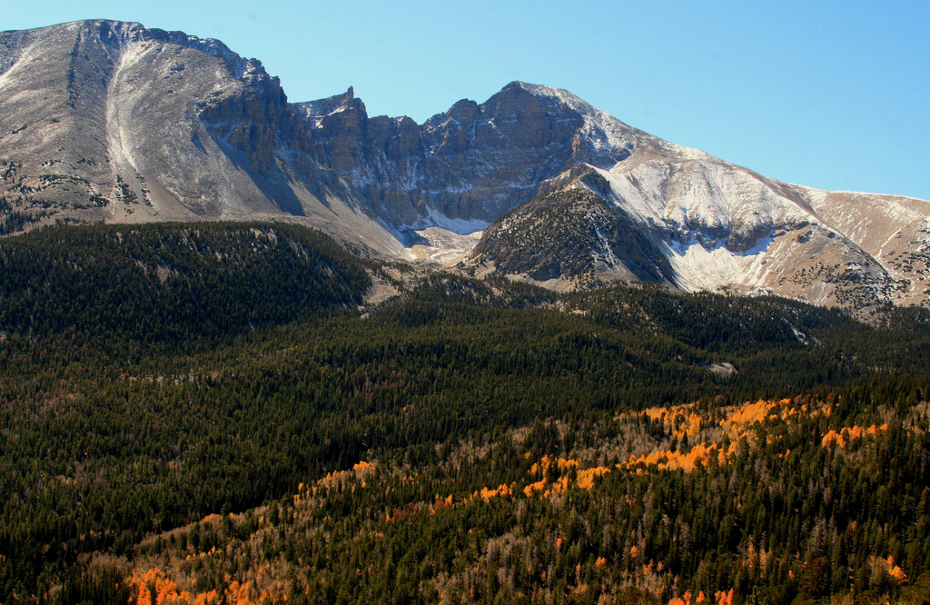
Great Basin NP vista  
19. Great Basin National Park, NV
Overshadowed by: Yosemite, Zion, Bryce Canyon, Yellowstone, and other Western parks
Cool features: Established in 1986, Great Basin is an infant in Western national park terms. Highlights include the Lehman Caves, plenty of backcountry camping opportunities, and the oldest known trees in the world. Find it off Highway 50, just across the Utah border.
Photo: Alaskan Dude
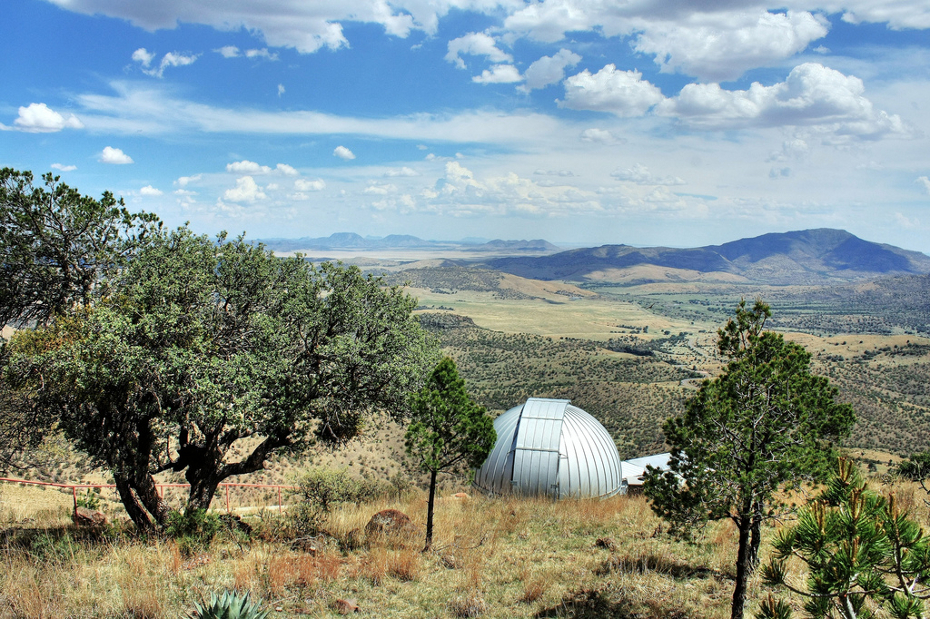
McDonald Observatory  
20. McDonald Observatory, TX
Overshadowed by: Mauna Kea Observatory, HI
Cool features: The height and aridity of the Davis Mountains, located in West Texas, make for good stargazing at McDonald, one of the most powerful observatories in the country.
Photo: Chuck 55

Monday, May 17, 2010

Top Five Urban Bike Paths in the U.S.

Check out these must-ride trails this summer season

by Bari Lieberman

from: http://www.mensfitness.com/

Myth: Living in a metropolis means your cycling adventures consist of being trapped inside the stifling four walls of a gym with a techno-music loving spin instructor.

Fact: There's no reason to go stir-crazy or spend the majority of your bike rides dodging cars. Major cities such as Boston and Atlanta have combined fitness with nature in the form of urban biking trails — perfect for connecting with the great outdoors while never leaving the comfort of the cityscape.

"Cycling is a great option for aerobic/cardio-respiratory exercise because it is low-impact, unlike running which can be painful for the knees, hips and lower-back," says Pete McCall, exercise physiologist and spokesperson for the American Council on Exercise.

Whether you're a biking beginner or a Lance Armstrong-in-training, here's a breakdown of the top urban bike paths that will leave you breathless — for more than one reason.

Atlanta, Georgia: Silver Comet Trail
silvercometga.com

Admit it, the daily gridlock of the big city has really tamed your inner Paul Bunyan. Thankfully, just about 14 miles northwest of Atlanta, Georgia, lies 61.5 paved miles of scenic, woodsy bliss. The Silver Comet Trail begins in Smyrna, Georgia and runs all the way to the Alabama border where it meets the Chief Ladiga Trail.

Built over an abandoned rail line, the trail is relatively flat, with a few medium hills at mile marker 19.4 and 36 and steep hills near the end of the path at mile marker 45.8 and 51.4. So while you can brag to your coworkers on Monday about the scenic trip you took through Georgia's countryside that had you biking over rushing creeks, winding between rock cliffs and pedaling through railroad tunnels, you can leave out the fact that the trail is extremely user-friendly with plenty of access to rest stops and bathrooms. Frankie's Italian Restaurant near the Rockmart Trailhead at mile marker 37.6 caters to cyclists and next to Coot's Lake Trailhead at mile marker 33.5 is Coot's Lake Beach which has public swimming and a picnic area for a small entry fee.

Boston, Massachusetts: Minuteman Bikeway
minutemanbikeway.org

The bicyclists are coming! The bicyclists are coming! The Minuteman Bikeway's level terrain is both scenic and historic — the trail closely approximates the route Paul Revere took on his famous ride in 1775, announcing the incursion by British forces. The 11-mile paved trail connecting Bedford to Cambridge passes through Lexington and Arlington, with plenty of open spaces — perfect for relaxing, playing ball and hiking along the way. The Alewife Brooke Reservation at the end of the bike path in Arlington boasts playing fields and bird watching, and in East Lexington is the 183-acre Great Meadows. Also adjacent to the bike path is Spy Pond, which has a boat ramp and picnic tables. Be forewarned that the Minuteman Bikeway can become crowded so try to keep your bike rage to a minimum and consider crowd-dodging an extra workout.

Chicago, Illinois: Chicago Lakefront Bike Path
chicagobikes.org

With "lakefront" in the trail's name you know this bike path is on some prime real estate — and what's more scenic than rolling along the edge of Lake Michigan? With the shoreline on one side and a view of the city skyline behind you, Chicago's Lakefront Bike Path is the picturesque urban biker's dream. The 18.5 asphalt miles between Rogers Park and the South Shore Cultural Center includes the Shedd Aquarium and the Navy Pier where you can rent bikes as well as check out Pier Park's Ferris wheel and miniature golf course. But if your bike rides are strictly for fitness, you can easily turn the bike ride into a whole day of physical activities thanks to the volleyball courts, playgrounds, baseball diamonds, tennis courts and soccer fields found along the path.

Northern Virginia/DC metro area: Mount Vernon Trail
nps.gov/gwmp/mtvernontrail

For nature-lovers, there is more to metro D.C. than just the cherry blossoms. Steal a glimpse (away from the crowds) of some of the capital's favorite monuments while enjoying the serenity of biking along the Potomac River. Located across the river from downtown Washington D.C. the trail extends 18.5 miles from near Theodore Roosevelt Island to Mount Vernon, along the Potomac River. Start with a warm-up walk at Theodore Roosevelt Island where you'll find two and a half miles of nature trails and breathtaking views of the nation's capital. Back on the trail, you'll see the historic Arlington Memorial Bridge, which symbolizes the strength of the post-Civil War united nation, as well as the Navy-Marine Memorial and Jones Point Lighthouse. The paved trail is fairly flat with an occasional rolling hill but make sure to save some energy for the end — the last mile heading towards Mount Vernon has a decent climb. Stop at Gravelly Point (between mile three and four) for a panorama view of Washington, the Potomac River and Washington National Airport.

Sacramento, California: Jedediah Smith Memorial Trail/American River Bike Path

Home to glitzy Los Angeles and scenic national parks it can be hard to stand out in California; but the 32-mile Jedediah Smith Memorial Trail/American River Parkway accomplishes just that. Dubbed the "Jewel of Sacramento," the paved asphalt bike path that runs between Old Sacramento and Beal's Point at Folsom Lake transports cyclists from the chaotic lifestyle of urban California (and far away for the Los Angeles smog) to a biker's oasis. The mostly flat route travels along the American River and has a top elevation of about 450 feet. The trail is home to Run the River — Sierra-Cascade Adventure Racing Sport's half, full and ultra marathon. Along the trail you'll pass Discovery Park, the 302-acre park in downtown Sacramento where the American River meets the Sacramento River as well as Guy West Bridge (a pedestrian bridge replication of the Golden Gate Bridge) and C.M. Goethe Park.

Monday, February 1, 2010

Spending a luxury vacation...on Alcatraz?

proposals
The National Park Service is considering what it calls a new vision for the Golden Gate National Recreation Area -- and one of the proposals calls for turning one of the historic buildings on Alcatraz into a hotel. Chronicle file photo by Lea Suzuki
Credit: Lea Suzuki

articles.sfgate.com The National Park Service is considering what it calls a new vision for the Golden Gate National Recreation Area - and one of the proposals calls for turning one of the historic buildings on Alcatraz into a hotel.


Visionaries thinking hotel on Alcatraz

Thursday, October 1, 2009

Top 10 Things You Didn't Know About National Parks

Survivor's Tree Oklahoma City National Memorial
Jerry Laizure / AP

Not Your Typical Park
Forget lush forests, purple mountains and majestic wildlife. Some of the country's most popular national parks are important historic landmarks, like the Statue of Liberty and Alcatraz Island. Even the site of the 1995 Oklahoma City bombing falls under the care of the national-park system, which looks after the memorial and what is known as the Survivor Tree, a century-old Dutch elm that endured the blast despite having its trunk charred by flames and most of its

Wrangell-St. Elias National Park
Joseph Sohm / Visions of America / Corbis

The Big One
Wrangell-St. Elias National Park and Preserve in Alaska is the largest park in the country. At six times the size of Yellowstone, it is the meeting point of four major mountain ranges and includes nine of the 16 highest peaks in the U.S. The preserve contains three climate zones, which means that it has everything from giant glaciers to wetlands to one of the largest active volcanoes in North America — in the Wrangell Mountain range, pictured here.


White Sands National Monument
Ed Darack / Science Faction / Corbis

Explosions in the Desert
White Sands National Monument spans more than 275 sq. mi. of New Mexico desert and contains the largest gypsum dune fields in the world. But because the park lies adjacent to the country's largest military installation — a 3,200-sq.-mi. missile range — the crystalline waves are often closed to the public while the Defense Department conducts top-secret (and presumabl

Dry Tortugas National Park
Tony Arruza / CORBIS

Boondocks, U.S.A.
Located 70 miles from Key West in the Gulf of Mexico, Dry Tortugas National Park is a collection of seven tiny islands that can be reached only by boat or plane, making it the country's most remote national park. Besides a stunning amount of marine life (it's home to the third largest barrier-reef system, outside of only Australia and Belize), the park boasts an impressive military and nautical history. The 163-year-old stronghold of Fort Jefferson was once used to house prisoners during the Civil War, and a 17th century Spanish galleon was uncovered by dive

Redwood National Park
Richard Schultz / Corbis

Some Big Trees
They're world famous. The redwoods at the Redwood National and State Parks — in Oregon and on the north coast of California — are the tallest trees on the planet. Many of them stand more than 30 stories high. Up until 2006, the 370-ft. Stratosphere Giant held the title for tallest tree on Earth, but three others — the Hyperion (378.1 ft.), Helios (376.3 ft.) and Icarus (371.2 ft.) — superseded it when they were discovered in Eureka, Calif.


Old Faithful Geyser
Pete Saloutos / CORBIS

Not So Faithful?
If you're looking for a reason to trek to Yellowstone National Park, consider this: the geyser dubbed Old Faithful might not be reliable for long. The lapse between steam blasts has lengthened by about 14 minutes in recent years, most likely because of an earthquake in 1983 that altered subterranean water levels. At least four other geysers in the park have been permanently damaged by vandals who threw litter into the geysers' mouths.


Marijuana
MIKE HUTCHINGS / Reuters / Corbis

Growing More Than Sequoias
National parks have been coping with a spate of unwelcome visitors recently — marijuana growers, who raise thousands of plants on federal lands. Usually tied to Mexican drug cartels, the pot plantations inflict considerable environmental damage and pose serious safety risks: they're frequently guarded by traffickers with automatic weapons and night-vision goggles (park rangers often arm themselves with M-16s as they scout for drug fields). In August, authorities at California's Sequoia National Park found a $36 million marijuana-cultivation operation just half a mile from a popular tourist site.


Delaware
Joseph Sohm / Visions of America / Corbis

Odd State Out
Poor Delaware. It's the only state in the country not to have a national park, monument or any other site in the federal system. (Even American Samoa, Guam and Puerto Rico have one. The Virgin Islands has five.) Lawmakers from the tiny state (itself smaller than 15 national parks) have spent years trying to land a National Historic Site to showcase its colonial history, so far fruitlessly. But with Delawarean Joe Biden as Vice President, Senator Tom Carper has s

Crater Lake National Park
Roger Ressmeyer / CORBIS

Deep Blue
Southern Oregon is home to the largest lake in the U.S., in Crater Lake National Park. Lying in a volcanic basin, Crater Lake was created when the 12,000-ft.-high Mount Mazama collapsed 7,700 years ago following a large eruption. It is 1,943 ft. deep — deep enough to hide 1½ Empire State Buildings. About 530 in. of winter snow per year provide the lake with plenty of wate

Aniakchak National Monument
Fred Hirschmann / Science Faction / Corbis

Be Alone with Nature. Really Alone
The National Park Service boasted about 275 million visitors last year; virtually none of them went to Aniakchak. The national monument and preserve in rural Alaska recorded just 10 visitors in 2008, mainly on account of the park's remote location in the Aleutian Islands, 450 miles southwest of Anchorage, and its abysmal weather. (The most visited park site, by contrast — the Blue Ridge Parkway in North Carolina and Virginia — drew more than 16 million people.) Aniakchak is accessible only by boat and seaplane, which often can't land because of fog and wind (the gusts can lead to hypothermia even in summer, the Park Service warns). If you make it, don't expect much in the way of luxury or even a gift shop: the government has no public facilities on the 600,000-acre site.

Monday, August 17, 2009

5 national parks to see before you die

Our national parks exert a primal pull on visitors from around the world who come by the millions to drink in the natural wonders. The astounding beauty of these wild places, preserved for the benefit of future generations, is almost spiritual for many. In addition, the parks offer limitless possibilities for outdoor adventures such as hiking, rafting, kayaking, fishing, camping, rock climbing, horseback riding and wildlife spotting.

There are 58 national parks in the United States. Each offers a unique experience, and a visit to any is worthy. But some are worthier than others. Here are my picks for five essential national parks that you must see before you die.

-- Debbie K. Hardin, Travel Muse, distributed by Tribune Media Services