Zazzle Shop

Screen printing
Showing posts with label HIV/AIDS. Show all posts

Tuesday, August 9, 2011

AIDS: USC Says Prof Pin Wang Has Invented 'A Virus That Hunts Down HIV-Infected Cells'

Sometimes the best way to catch a mouse is the natural way -- with a cat.

Using that philosophy, it seems, USC chemical engineering Professor Pin Wang might have just hit one out of the park. The university announced today that he "created a virus that hunts down HIV-infected cells."

You read that right. A living thing that preys on another living thing (but one we don't care for). Of course, it's a little more complicated than that:

Wang's "lentiviral vector" virus doesn't actually eat or destroy HIV-infected cells, but it does mark them for the kill, accomplished by drugs that can then better target them for destruction.

As is, HIV drugs can destroy healthy cells too. USC:

The process is analogous to the military practice of "buddy lasing" - that is, having a soldier on the ground illuminate a target with a laser to guide a precision bombing strike from an aircraft.

In the lab, Wang's virus has been known to destroy 35 percent of HIV-infected cells. Not a cure yet, but not bad at all.


Tuesday, February 22, 2011

HIV as you've never seen it before

Sandrine Ceurstemont, video producer
from: http://www.newscientist.com/


It's hard to visualise what something as small and complex as HIV actually looks like. But now Ivan Konstantinov and his team from Visual Science have created the most-detailed 3D model of the virus to date (see video above). An image of this visualisation just won first place in the 2010 International Science and Engineering Visualization Challenge, sponsored jointly by the journal Science and the National Science Foundation (NSF).

The model contains 17 different viral and cellular proteins and the membrane incorporates 160 thousand lipid molecules, of 8 different types, in the same proportions as in an actual HIV particle. It denotes the parts encoded by the virus's own genome in orange, while grey shades indicate structures taken into the virus when it interacts with a human cell.

To create the visualisation, the team consulted over 100 articles on HIV from leading science journals and talked to experts in the field. Then they reconstructed viral proteins from X-rays before assembling the structure of an entire HIV particle. The final appearance was achieved by experienced designers and 3D graphics specialists. Thanks to software and algorithms developed by the company, the model was completed in about three months.

The illustration was featured on the cover of Nature Medicine in September 2010, as part of a special issue prepared by the Global HIV Vaccine Enterprise. But because of the high resolution of the model, Konstantinov says it is suitable for a range of formats, from posters to animations and interactive applications for web and mobile platforms. For the moment, they plan to use it in schools and to popularise science research. But this model, and others created by the company such as a visualisation of the swine flu virus, are sure to be useful in medical research.

If you would like to see other winning entries from the 2010 International Science and Engineering Visualization Challenge, check out our online gallery here.

Thursday, February 10, 2011

In Australia, Another Hint of HIV Cure

Posted by Michael_Byrne
From http://www.motherboard.tv/

Hiv_large
If you remember last December, the first ever human went from HIV-positive to HIV-negative. The “cure,” a stem cell transplant fortified with a particular sort of HIV resistant strain, was grueling, brutal, and risky. The patient had a one-in-three chance of dying from each of the two transplants. The therapy took two years, and it’s certainly pricey enough that you can be sure the insurance companies of the world will lobby hard to make sure it never gets beyond being classified as “experimental.”
What I’m saying is that curing someone in this case doesn’t indicate that we’ve found a cure. But, researchers in Australia at the Walter and Eliza Hall Institute announced this week via a new study that the answer could be as simple as pumping up your body’s immune system. The potential cure has to do with a hormone called interleukin-7, which “reinvigorates” the body’s immune system when it’s faced with something as hard-core as HIV, or Hepatitis or Tuberculosis.
From ScienceDaily today:
“Viruses such as HIV and hepatitis B and C overwhelm the immune system, leading to establishment of chronic infections that are lifelong and incurable,” [study author] Dr Pellegrini said. “Despite tremendous efforts, long-lived immune responses for some of these viruses are ineffective, because the body is so overrun by virus that the immune system, in particular T cells, just give up trying to battle the infection. Some people have coined the phrase ‘immune exhaustion’ to explain the phenomenon. Our approach is to discover some of the mechanisms that cause this immune exhaustion, and manipulate host genes to see if we can boost the natural immune response in order to beat infection.”
So far, Pellegrini have been able to eliminate an HIV-like infection from a mouse using interleukin-7. The key seems to lie in a gene called SOCS-3 that interleukin-7 shuts off.
“In an overwhelming infection, SOCS-3 becomes highly activated and suppresses the immune response, probably as a natural precaution to prevent ‘out-of-control’ responses that cause collateral damage to body tissue,” Dr Pellegrini said. “In the case of these overwhelming infections, the immune system effectively slams on the brakes too early, and the infection persists.”
So the general idea then is convincing your body that it can do the damn thing and take the infection down. Sort of a pep talk and a Sparks for your T cells.

Thursday, December 16, 2010

Stem cell transplant has cured HIV infection in 'Berlin patient', say doctors

Keith Alcorn

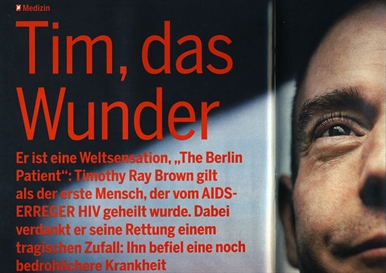
Timothy Ray Brown gave an interview to German magazine Stern.
Doctors who carried out a stem cell transplant on an HIV-infected man with leukaemia in 2007 say they now believe the man to have been cured of HIV infection as a result of the treatment, which introduced stem cells which happened to be resistant to HIV infection.
The man received bone marrow from a donor who had natural resistance to HIV infection; this was due to a genetic profile which led to the CCR5 co-receptor being absent from his cells. The most common variety of HIV uses CCR5 as its ‘docking station’, attaching to it in order to enter and infect CD4 cells, and people with this mutation are almost completely protected against infection.
The case was first reported at the 2008 Conference on Retroviruses and Opportunistic Infections in Boston, and Berlin doctors subsequently published a detailed case history in the New England Journal of Medicine in February 2009.
They have now published a follow-up report in the journal Blood, arguing that based on the results of extensive tests, “It is reasonable to conclude that cure of HIV infection has been achieved in this patient.”

The case history

The 'Berlin patient' is an HIV-positive man who developed acute myeloid leukaemia, received successful treatment and subsequently experienced a relapse in 2007 that required a transplant of stem cells.
Doctors chose stem cells from an individual who had an unusual genetic profile: a mutation inherited from both parents that resulted in CD4 cells that lacked the CCR5 receptor. This mutation, called CCR5 delta 32 homozygosity, is present in less than 1% of Caucasians in northern and western Europe, and is associated with a reduced risk of becoming infected with HIV.
This is because all new infecting viruses need to use the CCR5 receptor on CD4 cells when infecting an immune system cell of the CD4 type.
Later in the course of HIV infection another type of virus emerges that can use the CXCR4 receptor instead.
Before the stem cell transplant the patient received chemotherapy treatment that destroyed most immune cells and total body irradiation, and also received immunosuppressive drugs to prevent rejection of the stem cells.
Antiretroviral therapy was halted on the day of the transplant, and the patient had to receive a second stem cell transplant 13 days after the first one, due to a further relapse of leukaemia.
The patient continued to receive immunosuppressive treatment to prevent rejection for 38 months, and at 5, 24 and 29 months post-transplant colon biopsies were taken to investigate possible graft-versus-host disease in the intestine. At each investigation additional samples were taken to check for signs of HIV infection in the abundant immune cells of the gut wall.
During the 38 month follow-up period the donor CD4 cells repopulated the mucosal immune system of the gut, to such an extent that the frequency of CD4 cells was almost twice as high as in HIV-negative healthy controls, and this phenomenon was also seen in a control group of ten HIV-negative individuals who received stem cell transfers.
The repopulation of CD4 cells was accompanied by the complete disappearance of host CD4 cells, and after two years the patient had the CD4 count of a healthy adult of the same age.
One of the challenges for any approach to curing HIV infection is long-lived immune system cells, which need to be cleared before a patient can be cured. In the case of the Berlin patient CCR5-bearing macrophages could not be detected after 38 months, suggesting that chemotherapy had destroyed these longer-lived cells, and that they had also been replaced by donor cells.
The German researchers and San Francisco-based immunologist Professor Jay Levy believe that the findings point to the importance of suppressing the production of CCR5-bearing cells, either through transplants or gene therapy.
The patient did not resume antiretroviral therapy after the transplant.
Nevertheless HIV remained undetectable by both viral load testing (RNA) and tests for viral DNA within cells, and HIV antibody levels declined to the point that the patient has no antibody reactivity to HIV core antibodies, and only very low levels of antibodies to the HIV envelope proteins.
Seventeen months after the transplant the patient developed a neurological condition, which required a brain biopsy and lumbar puncture to sample the cerebrospinal fluid for diagnostic purposes. HIV was also undetectable in the brain and the CSF.
An additional indication that HIV is not present lies in the fact that the patient’s CD4 cells are vulnerable to infection with virus that targets the CXCR4 receptor. If any virus with this preference was still present, the researchers argue, it would be able to swiftly infect the large population of memory CD4 cells that has emerged.

The Berlin patient speaks to the press

The `Berlin patient`, Timothy Ray Brown, a US citizen who lives in Berlin, was interviewed this week by German news magazine Stern.
His course of treatment for leukaemia was gruelling and lengthy. Brown suffered two relapses and underwent two stem cell transplants, as well as a serious neurological disorder that flared up when he seemed to be on the road to recovery.
The neurological problem led to temporary blindness and memory problems. Brown is still undergoing physiotherapy to help restore his coordination and gait, as well as speech therapy.
Friends have noticed a personality change too: he is much more blunt, possibly a disinhibition that is related to the neurological problems.
On being asked if it would have been better to live with HIV than to have beaten it in this way he says “Perhaps. Perhaps it would have been better, but I don’t ask those sorts of questions anymore.”
Timothy Brown is now considering a move from Berlin to Barcelona or San Francisco, and, reports Stern magazine, enjoying a drink and a cigarette.
Stern also interviewed Dr Gero Hütter, who was in charge of Timothy Brown’s treatment. Dr Hütter told Stern that as a scientist he was “in the right place, at the right time” and that “for me it is important to have overthrown the dogma that HIV can never be cured. Something like this is the greatest thing one can achieve in medical research”.

Implications for future approaches to curing HIV infection

If a cure has been achieved in this patient, it points the way towards attempts to develop a cure for HIV infection through genetically engineered stem cells.
The German researchers and San Francisco-based immunologist Professor Jay Levy believe that the findings point to the importance of suppressing the production of CCR5-bearing cells, either through transplants or gene therapy.
Scientists were sufficiently intrigued by the Berlin patient that they met in Berlin in 2009 to discuss how they could coordinate efforts to identify CCR5-delta32 homozygous donors and expand the supply of stem cells from these donors, for example through sampling blood cells from the umbilical cord of babies born to mothers who are homozygous for CCR5-delta32, in order to eventually facilitate stem-cell therapy.
Gene therapy techniques which can transform stem cells – and all their descendents – into cells resistant to HIV entry may be a more practical option than looking for matching donors.
Several US research groups announced in October 2009 that they had received funding to explore techniques for engineering and introducing CCR5-deficient stem cells.
If these approaches prove successful they will be expensive, so in the early stages it is likely that they would be reserved for people with no remaining treatment options or a cancer requiring bone marrow or stem cell transfer.
As Timothy Brown’s experience shows, curing HIV infection through ablative chemotherapy, immunosuppressive drugs and stem cell transfer is not a course of treatment for the faint-hearted. It has required courage, determination and a lot of support to become the first person to be pronounced `cured` of HIV infection.

Reference

Allers K et al. Evidence for the cure of HIV infection by CCR5Δ32/ Δ32 stem cell transplantation. Blood, advance online publication December 8, 2010.
Hutter G et al. Transplantation of selected or transgenic blood stem cells – a future treatment for HIV/AIDS. J Int AIDS Soc 12: 10, 2009.
Hutter G et al. Long-term control of HIV by CCR5 CCR5Δ32/ Δ32 stem-cell transplantation. N Engl J Med. 360: 692-8, 2009.
Thanks to Greta Hughson for translation.
New to NAM and aidsmap.com? Keep up with HIV news as it breaks by signing up to our free email bulletins or keep in touch with us on Facebook or Twitter.

Friday, July 9, 2010

Advance in Quest for HIV Vaccine

From: http://online.wsj.com/

HIV research is undergoing a renaissance that could lead to new ways to develop vaccines against the AIDS virus and other viral diseases.

In the latest development, U.S. government scientists say they have discovered three powerful antibodies, the strongest of which neutralizes 91% of HIV strains, more than any AIDS antibody yet discovered. They are now deploying the technique used to find those antibodies to identify antibodies to influenza viruses.

Mark Schoofs discusses a significant step toward an AIDS vaccine, U.S. government scientists have discovered three powerful antibodies, the strongest of which neutralizes 91% of HIV strains, more than any AIDS antibody yet discovered.

The HIV antibodies were discovered in the cells of a 60-year-old African-American gay man, known in the scientific literature as Donor 45, whose body made the antibodies naturally. The trick for scientists now is to develop a vaccine or other methods to make anyone's body produce them as well.

That effort "will require work," said Gary Nabel, director of the Vaccine Research Center at the National Institute of Allergy and Infectious Diseases, who was a leader of the research. "We're going to be at this for a while" before any benefit is seen in the clinic, he said.

The research was published Thursday in two papers in the online edition of the journal Science, 10 days before the opening of a large International AIDS Conference in Vienna, where prevention science is expected to take center stage. More than 33 million people were living with HIV at the end of 2008, and about 2.7 million contracted the virus that year, according to United Nations estimates.

Vaccines, which are believed to work by activating the body's ability to produce antibodies, eliminated or curtailed smallpox, polio and other feared viral diseases, so they have been the holy grail of AIDS research.

The Quest for a Vaccine

See major developments in AIDS research.

Last year, following a trial in Thailand, results of the first HIV vaccine to show any efficacy were announced. But that vaccine reduced the chances of infection only by about 30%, and controversy erupted because in one common analysis the results weren't statistically significant. That vaccine wasn't designed to elicit the new antibodies.

The new discovery is part of what Wayne Koff, head of research and development at the nonprofit International AIDS Vaccine Initiative, calls a "renaissance" in HIV vaccine research.

Antibodies that are utterly ineffective, or that disable just one or two HIV strains, are common. Until last year, only a handful of "broadly neutralizing antibodies," those that efficiently disable a large swath of HIV strains, had been discovered. And none of them neutralized more than about 40% of known HIV variants.

But in the past year, thanks to efficient new detection methods, at least a half dozen broadly neutralizing antibodies, including the three latest ones, have been identified in peer-reviewed journals. Dennis Burton of the Scripps Institute in La Jolla, Calif., led a team that discovered two broadly neutralizing antibodies last year; he says his team has identified additional, unpublished ones. Most of the new antibodies are more potent, able to knock out HIV at far lower concentrations than their previously known counterparts.

HIV is a highly mutable virus, but one place where the virus doesn't mutate much is where it attaches to a particular molecule on the surface of cells it infects. Building on previous research, researchers created a probe, shaped exactly like that critical site, and used it to attract only those antibodies that efficiently attack it. That is how they fished out of Donor 45 the special antibodies: They screened 25 million of his cells to find 12 that produced the antibodies.

Donor 45's antibodies didn't protect him from contracting HIV. That is likely because the virus had already taken hold before his body produced the antibodies. He is still alive, and when his blood was drawn, he had been living with HIV for 20 years.

While he has produced the most powerful HIV antibody yet discovered, researchers say they don't know of anything special about his genes that would make him unique. They expect that most people would be capable of producing the antibodies, if scientists could find the right way to stimulate their production.

Dr. Nabel said his team is applying the new technique to the influenza virus. Like HIV, influenza is a highly mutable virus—the reason a new vaccine is required every year.

"We want to go after a universal vaccine" by using the new technique to find antibodies to a "component of the influenza virus that doesn't change," said NIAID director Anthony Fauci. In principle, Dr. Fauci said, the technique could be used for any viral disease and possibly even for cancer vaccines.

Some of the new HIV antibodies discovered over the past year attack different points on the virus, raising hopes that they could work synergistically.

In unpublished research, John Mascola, deputy director of the Vaccine Research Center, has shown that one of Dr. Burton's antibodies neutralizes virtually all the strains that are resistant to the antibody from Donor 45. He also found the reverse: The antibody from Donor 45 disables HIV strains resistant to one of Dr. Burton's best antibodies. Only one strain out of 95 tested was resistant to both antibodies, he said. Dr. Mascola is one of the authors of Thursday's papers.

Researchers say they plan to test the new antibodies, likely blended together in a potent cocktail, in three broad ways.

First, the antibodies could be given to people in their raw form, somewhat like a drug, to prevent transmission of the virus. But they would likely be expensive and last in the body for a limited time, perhaps weeks, making that method impractical for all but specialized cases, such as to prevent mother-to-child transmission in childbirth.

The antibodies could also be tested in a "microbicide," a gel that women or gay men could apply before sex to prevent infection.

[VACCINE]

The antibodies might even be tried as a treatment for people already infected. While the antibodies are unlikely to completely suppress HIV on their own, say scientists, they might boost the efficacy of current antiretroviral drugs.

Dr. Nabel said that the Vaccine Research Center has contracted with a company to produce an antibody suitable for use in humans so that testing in people could begin.

A second way to use the new research is to stimulate the immune system to produce the antibodies. Jonas Salk injected people with a whole killed polio virus, and virtually everyone's immune system easily made antibodies that disabled the polio virus. But for HIV, the vast majority of antibodies are ineffective. Now, scientists know the exact antibodies that must be made—those found in Donor 45 and in Dr. Burton's lab, for example. So researchers need "a reverse engineering technology" to find a way to get everyone to produce them, said Greg Poland, director of vaccine research at Mayo Clinic in Rochester, Minn.

That's what scientists at Merck & Co. have done. In a study published this year in the Proceedings of the National Academy of Sciences, the Merck Scientists knew that an old antibody, weaker than the newly discovered ones, attaches to a particularly vulnerable part of HIV. They created a replica of that piece of the virus to train the immune system to produce antibodies aimed at that exact spot. It was a painstaking process, requiring researchers to add chemical bonds to stabilize the replica so that it wouldn't collapse and lose its shape. Eventually, Merck was able to make experimental vaccine candidates capable of spurring guinea pigs and rabbits to produce antibodies that home in on the target site and neutralize HIV. Those vaccines weren't nearly powerful enough, but, said Dr. Koff, Merck's research provides a "proof of principle" that reverse engineering can work for the much stronger new antibodies.

There are other potential pitfalls. There is evidence that Donor 45's cells took months or possibly even years to create the powerful antibodies. That means scientists might have to give repeated booster shots or devise other ways to speed up this process.

Access thousands of business sources not available on the free web. Learn More

Finally, there are experimental methods that employ tactics such as gene therapy. Nobel laureate David Baltimore is working on one such approach.

His team at the California Institute of Technology in Pasadena, Calif., has stitched genes that code for antibodies into a harmless virus, which they then inject into mice. The virus infects mouse cells, turning them into factories that produce the antibodies.

Write to Mark Schoofs at mark.schoofs@wsj.com

Tuesday, April 13, 2010

Man appears free of HIV after stem cell transplant

By Jacquelyne Froeber
From: http://www.cnn.com/

A 42-year-old HIV patient with leukemia appears to have no detectable HIV in his blood and no symptoms after a stem cell transplant from a donor carrying a gene mutation that confers natural resistance to the virus that causes AIDS, according to a report published Wednesday in the New England Journal of Medicine.

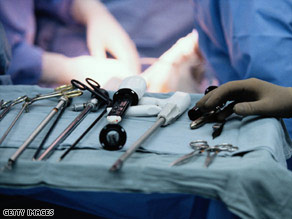
The patient underwent a stem cell transplant and since, has not  tested positive for HIV in his blood.

The patient underwent a stem cell transplant and since, has not tested positive for HIV in his blood.

"The patient is fine," said Dr. Gero Hutter of Charite Universitatsmedizin Berlin in Germany. "Today, two years after his transplantation, he is still without any signs of HIV disease and without antiretroviral medication."

The case was first reported in November, and the new report is the first official publication of the case in a medical journal. Hutter and a team of medical professionals performed the stem cell transplant on the patient, an American living in Germany, to treat the man's leukemia, not the HIV itself.

However, the team deliberately chose a compatible donor who has a naturally occurring gene mutation that confers resistance to HIV. The mutation cripples a receptor known as CCR5, which is normally found on the surface of T cells, the type of immune system cells attacked by HIV.

The mutation is known as CCR5 delta32 and is found in 1 percent to 3 percent of white populations of European descent.

HIV uses the CCR5 as a co-receptor (in addition to CD4 receptors) to latch on to and ultimately destroy immune system cells. Since the virus can't gain a foothold on cells that lack CCR5, people who have the mutation have natural protection. (There are other, less common HIV strains that use different co-receptors.)

People who inherit one copy of CCR5 delta32 take longer to get sick or develop AIDS if infected with HIV. People with two copies (one from each parent) may not become infected at all. The stem cell donor had two copies.

While promising, the treatment is unlikely to help the vast majority of people infected with HIV, said Dr. Jay Levy, a professor at the University of California San Francisco, who wrote an editorial accompanying the study. A stem cell transplant is too extreme and too dangerous to be used as a routine treatment, he said.

"About a third of the people die [during such transplants], so it's just too much of a risk," Levy said. To perform a stem cell transplant, doctors intentionally destroy a patient's immune system, leaving the patient vulnerable to infection, and then reintroduce a donor's stem cells (which are from either bone marrow or blood) in an effort to establish a new, healthy immune system.

Levy also said it's unlikely that the transplant truly cured the patient in this study. HIV can infect many other types of cells and may be hiding out in the patient's body to resurface at a later time, he said.

"This type of virus can infect macrophages (another type of white blood cell that expresses CCR5) and other cells, like the brain cells, and it could live a lifetime. But if it can't spread, you never see it-- but it's there and it could do some damage," he said. "It's not the kind of approach that you could say, 'I've cured you.' I've eliminated the virus from your body." Health.com: 10 questions to ask a new partner before having sex

Before undergoing the transplant, the patient was also found to be infected with low levels of a type of HIV known as X4, which does not use the CCR5 receptor to infect cells. So it would seem that this virus would still be able to grow and damage immune cells in his body. However, following the transplant, signs of leukemia and HIV were absent.

"There is no really conclusive explanation why we didn't observe any rebound of HIV," Hutter said. "This finding is very surprising."

Hutter noted that one year ago, the patient had a relapse of leukemia and a second transplant from the same donor. The patient experienced complications from the procedure, including temporary liver problems and kidney failure, but they were not unusual and may occur in HIV-negative patients, he said.

Researchers including Hutter agree that the technique should not be used to treat HIV alone. "Some people may say, 'I want to do it,'" said Levy. A more logical -- and potentially safer -- approach would be to develop some type of CCR5-disabling gene therapy or treatment that could be directly injected into the body, said Levy.

Less invasive options to alter CCR5 could be on the horizon within the next five years, said Levy. "It's definitely the wave of the future," he said. "As we continue to follow this one patient, we will learn a lot."

One drug that's currently on the market that blocks CCR5 is called maraviroc (Selzentry). It was first approved in 2007 and is used in combination with other antiretroviral drugs. Health.com: Who's most at risk for STDs?

In 2007, an estimated 2 million people died from AIDS, and 2.7 million people contracted HIV. More than 15 million women are infected worldwide. HIV/AIDS can be transmitted through sexual intercourse, sharing needles, pregnancy, breast-feeding, and/or blood transfusions with an infected person. Health.com:What should I do if the condom breaks?

"For HIV patients, this report is an important flicker of hope that antiretroviral therapy like HAART [highly active antiretroviral therapy] is not the endpoint of medical research," Hutter said.

Copyright Health Magazine 2009

Monday, March 22, 2010

Acne drug prevents HIV breakout (w/ Video)

From: http://www.physorg.com/news188240911.html

Acne drug prevents HIV breakout

Enlarge

This is Janice E. Clements, Ph.D., Mary Wallace Stanton Professor of Faculty Affairs, Vice Dean for Faculty, and Professor of Molecular and Comparative Pathobiology at the Johns Hopkins University School of Medicine. Credit: Johns Hopkins Medicine


Johns Hopkins scientists have found that a safe and inexpensive antibiotic in use since the 1970s for treating acne effectively targets infected immune cells in which HIV, the virus that causes AIDS, lies dormant and prevents them from reactivating and replicating.

The drug, minocycline, likely will improve on the current treatment regimens of HIV-infected patients if used in combination with a standard drug cocktail known as HAART (Highly ), according to research published now online and appearing in print April 15 in The . "The powerful advantage to using minocycline is that the virus appears less able to develop because minocycline targets cellular pathways not viral proteins," says Janice Clements, Ph.D., Mary Wallace Stanton Professor of Faculty Affairs, vice dean for faculty, and professor of molecular and comparative pathobiology at the Johns Hopkins University School of Medicine.

"The big challenge clinicians deal with now in this country when treating patients is keeping the virus locked in a dormant state," Clements adds. "While HAART is really effective in keeping down active replication, minocycline is another arm of defense against the virus."

Unlike the drugs used in HAART which target the virus, minocycline homes in on, and adjusts T cells, major immune system agents and targets of . According to Clements, minocycline reduces the ability of T cells to activate and proliferate, both steps crucial to HIV production and progression toward full blown AIDS.

Janice E. Clements, Ph.D., Mary Wallace Stanton Professor of Faculty Affairs, Vice Dean for Faculty, and Professor of Molecular and Comparative Pathobiology at the Johns Hopkins University School of Medicine, discusses her team’s discovery that a safe, inexpensive antibiotic will improve on the current treatment regimens of HIV-infected patients. Credit: Johns Hopkins Medicine

If taken daily for life, HAART usually can protect people from becoming ill, but it's not a cure. The is kept at a low level but isn't ever entirely purged; it stays quietly hidden in some . If a person stops HAART or misses a dose, the virus can reactivate out of those immune cells and begin to spread.

The idea for using minocycline as an adjunct to HAART resulted when the Hopkins team learned of research by others on rheumatoid arthritis patients showing the anti-inflammatory effects of minocycline on T cells. The Hopkins group connected the dots between that study with previous research of their own showing that minocycline treatment had multiple beneficial effects in monkeys infected with SIV, the primate version of HIV. In monkeys treated with minocycline, the virus load in the cerebrospinal fluid, the viral RNA in the brain and the severity of central nervous system disease were significantly decreased. The drug was also shown to affect T cell activation and proliferation.

"Since minocycline reduced T cell activation, you might think it would have impaired the immune systems in the macaques, which are very similar to humans, but we didn't see any deleterious effect," says Gregory Szeto, a graduate student in the Department of Cellular and Molecular Medicine working in the Retrovirus Laboratory at Hopkins.

"This drug strikes a good balance and is ideal for HIV because it targets very specific aspects of immune activation."

The success with the animal model prompted the team to study in test tubes whether minocycline treatment affected latency in human T cells infected with HIV. Using cells from HIV-infected humans on HAART, the team isolated the "resting" immune cells and treated half of them with minocycline. Then they counted how many virus particles were reactivated, finding completely undetectable levels in the treated cells versus detectable levels in the untreated cells.

"Minocycline reduces the capability of the virus to emerge from resting infected T cells," Szeto explains. "It prevents the virus from escaping in the one in a million cells in which it lays dormant in a person on HAART, and since it prevents virus activation it should maintain the level of viral latency or even lower it. That's the goal: Sustaining a latent non-infectious state."

The team used molecular markers to discover that minocycline very selectively interrupts certain specific signaling pathways critical for T cell activation. However, the antibiotic doesn't completely obliterate T cells or diminish their ability to respond to other infections or diseases, which is crucial for individuals with HIV.

"HIV requires T cell activation for efficient replication and reactivation of latent virus," Clement says, "so our new understanding about minocyline's effects on a T cell could help us to find even more drugs that target its signaling pathways."

Provided by Johns Hopkins Medical Institutions

Wednesday, March 17, 2010

Man appears free of HIV after stem cell transplant

By Jacquelyne Froeber
From http://www.cnn.com/

Health

A 42-year-old HIV patient with leukemia appears to have no detectable HIV in his blood and no symptoms after a stem cell transplant from a donor carrying a gene mutation that confers natural resistance to the virus that causes AIDS, according to a report published Wednesday in the New England Journal of Medicine.

The patient underwent a stem cell transplant and since, has not tested positive for HIV in his blood.

The patient underwent a stem cell transplant and since, has not tested positive for HIV in his blood.

"The patient is fine," said Dr. Gero Hutter of Charite Universitatsmedizin Berlin in Germany. "Today, two years after his transplantation, he is still without any signs of HIV disease and without antiretroviral medication."

The case was first reported in November, and the new report is the first official publication of the case in a medical journal. Hutter and a team of medical professionals performed the stem cell transplant on the patient, an American living in Germany, to treat the man's leukemia, not the HIV itself.

However, the team deliberately chose a compatible donor who has a naturally occurring gene mutation that confers resistance to HIV. The mutation cripples a receptor known as CCR5, which is normally found on the surface of T cells, the type of immune system cells attacked by HIV.

The mutation is known as CCR5 delta32 and is found in 1 percent to 3 percent of white populations of European descent.

HIV uses the CCR5 as a co-receptor (in addition to CD4 receptors) to latch on to and ultimately destroy immune system cells. Since the virus can't gain a foothold on cells that lack CCR5, people who have the mutation have natural protection. (There are other, less common HIV strains that use different co-receptors.)

People who inherit one copy of CCR5 delta32 take longer to get sick or develop AIDS if infected with HIV. People with two copies (one from each parent) may not become infected at all. The stem cell donor had two copies.

While promising, the treatment is unlikely to help the vast majority of people infected with HIV, said Dr. Jay Levy, a professor at the University of California San Francisco, who wrote an editorial accompanying the study. A stem cell transplant is too extreme and too dangerous to be used as a routine treatment, he said.

"About a third of the people die [during such transplants], so it's just too much of a risk," Levy said. To perform a stem cell transplant, doctors intentionally destroy a patient's immune system, leaving the patient vulnerable to infection, and then reintroduce a donor's stem cells (which are from either bone marrow or blood) in an effort to establish a new, healthy immune system.

Levy also said it's unlikely that the transplant truly cured the patient in this study. HIV can infect many other types of cells and may be hiding out in the patient's body to resurface at a later time, he said.

"This type of virus can infect macrophages (another type of white blood cell that expresses CCR5) and other cells, like the brain cells, and it could live a lifetime. But if it can't spread, you never see it-- but it's there and it could do some damage," he said. "It's not the kind of approach that you could say, 'I've cured you.' I've eliminated the virus from your body." Health.com: 10 questions to ask a new partner before having sex

Before undergoing the transplant, the patient was also found to be infected with low levels of a type of HIV known as X4, which does not use the CCR5 receptor to infect cells. So it would seem that this virus would still be able to grow and damage immune cells in his body. However, following the transplant, signs of leukemia and HIV were absent.

"There is no really conclusive explanation why we didn't observe any rebound of HIV," Hutter said. "This finding is very surprising."

Hutter noted that one year ago, the patient had a relapse of leukemia and a second transplant from the same donor. The patient experienced complications from the procedure, including temporary liver problems and kidney failure, but they were not unusual and may occur in HIV-negative patients, he said.

Researchers including Hutter agree that the technique should not be used to treat HIV alone. "Some people may say, 'I want to do it,'" said Levy. A more logical -- and potentially safer -- approach would be to develop some type of CCR5-disabling gene therapy or treatment that could be directly injected into the body, said Levy.

Less invasive options to alter CCR5 could be on the horizon within the next five years, said Levy. "It's definitely the wave of the future," he said. "As we continue to follow this one patient, we will learn a lot."

One drug that's currently on the market that blocks CCR5 is called maraviroc (Selzentry). It was first approved in 2007 and is used in combination with other antiretroviral drugs. Health.com: Who's most at risk for STDs?

In 2007, an estimated 2 million people died from AIDS, and 2.7 million people contracted HIV. More than 15 million women are infected worldwide. HIV/AIDS can be transmitted through sexual intercourse, sharing needles, pregnancy, breast-feeding, and/or blood transfusions with an infected person. Health.com:What should I do if the condom breaks?

"For HIV patients, this report is an important flicker of hope that antiretroviral therapy like HAART [highly active antiretroviral therapy] is not the endpoint of medical research," Hutter said.

Copyright Health Magazine 2009

Friday, September 25, 2009

HIV vaccine hailed as 'historic milestone' in fight against Aids

A vaccine has reduced the chance of HIV infection in humans for the first time, in what the scientific community has hailed a breakthrough in the fight against Aids.

HIV virus particles: Aids breakthrough: vaccine prevents HIV infection for first time
HIV virus particles Photo: GETTY IMAGES

The combination of two vaccines that has previously failed to produce a response on their own has cut the risk of becoming infected with HIV by more than 31 per cent.

It is the first time in human trials that a vaccine has protected against the virus which leads to Aids.

The trial was conducted in 16,000 volunteers in Thailand, with half receiving the combination of the two vaccines and the other half receiving dummy jabs.

Dr. Anthony Fauci, director of the United States National Institute of Allergy and Infectious Diseases, warned the development was "not the end of the road," but said he was surprised and very pleased by the outcome.

"It gives me cautious optimism about the possibility of improving this result" and developing a more effective Aids vaccine, he said. "This is something that we can do."

The trial was carried out by the U.S. Military HIV Research Program and the Thai Ministry of Public Health.

Seth Berkley, chief executive and president of The International Aids Vaccine Initiative (IAVI) said: “The outcome is very exciting news and a significant scientific achievement.

“It’s the first demonstration that a candidate Aids vaccine provides benefit in humans. Until now, we’ve had evidence of feasibility for an AIDS vaccine in animal models. Now, we’ve got a vaccine candidate that appears to show a protective effect in humans, albeit partially.”

The challenge will now to be improve the efficiacy of the vaccines to a level which clear protection so it can be licensed for widespread use.

Deborah Jack, Chief Executive of the National Aids Trust, said: "These vaccine trial results are very good news - ultimately vaccines are the most effective way by far of tackling serious infectious disease. And with over two million new HIV infections a year this option is desperately needed.

"Obviously there is much more work to do with these promising findings, but they justify the continuing investments and efforts of the international community, including the UK Government, to develop a vaccine."

Wayne Koff, IAVI Senior Vice President for Research and Development, said: “At the very least, these results give researchers a platform on which to improve and to validate animal models and assays, and a way to attract new investment and creative energy to the field of Aids vaccine R&D.”

"Today marks a historic milestone," said Mitchell Warren, executive director of the Aids Vaccine Advocacy Coalition, an international group that has worked toward developing a vaccine.

"It will take time and resources to fully analyse and understand the data, but there is little doubt that this finding will energise and redirect the Aids vaccine field.

Even a partially effective vaccine could have a big impact. In 2007, two million died of Aids according to the United Nations agency UNAIDS.

Colonel Jerome Kim, who helped lead the study for the US Army, which was also involved in the trial, said: "It is the first evidence that we could have a safe and effective preventive vaccine."

The Thailand Ministry of Public Health conducted the study, which used strains of HIV common in Thailand. Scientists stressed it is not clear whether the vaccine would work against other strains in the United States, Africa or elsewhere.

The study tested a two-vaccine combination where the first injection primes the immune system to attack HIV and the second strengthens the response.

The vaccines are ALVAC, from Sanofi Pasteur, the vaccine division of French drugmaker Sanofi-Aventis; and AIDSVAX, originally developed by VaxGen Inc. and now held by Global Solutions for Infectious Diseases, a non-profit founded by some former VaxGen employees.

All the participants tested negative at the start of the trial and were given condoms, counselling and treatment for any sexually transmitted infections. They were tested every six months for HIV and any who became infected were given free treatment with antiviral medicines.

Participants were followed for three years after vaccination ended.

The results were that new infections occurred in 51 of the 8,197 given vaccine and in 74 of the 8,198 who received dummy shots. That worked out to a 31 per cent lower risk of infection for the vaccine group.

The vaccine had no effect on levels of HIV in the blood of those who did become infected, providing "one of the most important and intriguing findings" of the trial, according to Dr Fauci, giving scientists important clues in identifying whether treatment drugs actually make a difference by giving protection to the immune system.

The researchers have been careful to say the vaccine combination appears to have an effect on the HIV strain circulating in Thailand and it may not work on other strains elsewhere in the world.

Full details of the $105 million study will be given at a vaccine conference in Paris in October.

Wednesday, September 9, 2009

Germany's New AIDS Ad — Starring Hitler


Click here to find out more!

Germany's latest AIDS-awareness commercial evokes some strong emotions: shock, disgust, nausea. And that's exactly the point. The controversial ad, which was released online on Sept. 3 and starts running on German TV on Wednesday, Sept. 9, shows a couple having steamy sex in a dimly lit room with menacing music playing in the background. The viewer sees only the back of the man's head until the very end, when the camera pans to his face — to reveal that he's Adolf Hitler. Then the slogan flashes across the screen: "AIDS is a mass murderer."

It's a strong message, but HIV/AIDS organizations in Germany are arguing over whether it's the right one. Rainbow, the AIDS-awareness group spearheading the campaign — which also includes newspaper ads and posters featuring the images of other dictators, like Stalin and Saddam Hussein — says it deliberately wants to provoke people, especially young Germans, into using condoms to help prevent the spread of HIV. "We want to give this terrible virus a face," Jan Schwertner, spokesman for Rainbow, tells TIME. "AIDS is a forgotten issue in Germany. It's been swept under the carpet. This shock campaign is necessary to get people thinking again." (See pictures of Hitler's rise to power.)

But the use of Hitler's image — always a highly sensitive topic in Germany — has angered mainstream HIV/AIDS organizations, which say the ad stigmatizes HIV sufferers. On Tuesday, Deutsche AIDS-Hilfe, an umbrella group for HIV counseling centers and Germany's biggest AIDS organization, called the video "disgusting" and demanded an immediate end to the campaign. "The video ridicules all victims of the Nazi regime, and it equates HIV-positive people with mass murderers," says spokeswoman Carolin Vierneisel. "The advertising campaign just relies on provoking anxiety among people. That's the wrong approach. Successful HIV prevention is based on factual information about the risks of HIV transmission and encourages people to use condoms." (Read "The Battle in Uganda Over Female Condoms.")

Germans need the encouragement — the facts about HIV rates in the country are alarming. According to Rainbow's research, eight people become infected with HIV in Germany every day. Across the country, 60,000 people are living with HIV. To help explain the advertisement's shock tactics, the campaign's website states, "Over the past number of years, public interest in AIDS has massively declined. The number of victims, however, has not. As of now, over 28 million people worldwide have died. And every day another 5,000 fatalities are added to that number. This makes AIDS one of the largest mass murderers of all time."

The ads will be shown in German cinemas and broadcast on TV starting on Wednesday, aiming for maximum impact. The agency that created the commercials, Hamburg-based Das Comitee, has robustly defended the campaign, pointing out that the video has already had thousands of viewings since last Thursday, when it was posted on video-sharing sites like YouTube. "We need to warn young people about the dangers of AIDS and the risks of unprotected sex," says creative director Hans Weishäupl. "AIDS is the mass murderer of the 21st century, and we have to show people how awful it is." He adds that he's received a lot of positive feedback on the commercials from young people and their parents. (See pictures of Kristallnacht.)

Weishäupl agrees that his agency's methods are controversial but insists that the end justifies the means. "It's the message that counts, and of course it was provocative to use the picture of Hitler," he says. "But how would you visualize a terrible virus?"

See TIME's Hitler covers.

Tuesday, August 11, 2009

A HIV-blocking gel for women -Breakthrough

Contact: Lee Siegel
leesiegel@ucomm.utah.edu
801-581-8993
University of Utah


New 'molecular condom' meant to prevent AIDS

IMAGE: University of Utah bioengineer Patrick Kiser analyzes polymers used to develop a new kind of AIDS-preventing vaginal gel for eventual use by women in Africa and other impoverished areas. The...

Click here for more information.

SALT LAKE CITY, Aug. 10, 2009 – University of Utah scientists developed a new kind of "molecular condom" to protect women from AIDS in Africa and other impoverished areas. Before sex, women would insert a vaginal gel that turns semisolid in the presence of semen, trapping AIDS virus particles in a microscopic mesh so they can't infect vaginal cells.

"The first step in the complicated process of HIV (human immunodeficiency virus) infection in a woman is the virus diffusing from semen to vaginal tissue. We want to stop that first step," says Patrick Kiser, an associate professor of bioengineering at the University of Utah's College of Engineering. "We have created the first vaginal gel designed to prevent movement of the AIDS virus. This is unique. There's nothing like it."

"We did it to develop technologies that can enable women to protect themselves against HIV without approval of their partner," he adds. "This is important – particularly in resource-poor areas of the world like sub-Sahara Africa and south Asia where, in some age groups, as many as 60 percent of women already are infected with HIV. In these places, women often are not empowered to force their partners to wear a condom."

A study testing the behavior of the new gel and showing how it traps AIDS-causing HIV particles will be published online later this week in the journal Advanced Functional Materials. Kiser is the senior author.

"Due to cultural and socioeconomic factors, women often are unable to negotiate the use of protection with their partner," says Julie Jay, the study's first author and a University of Utah doctoral candidate in pharmaceutics and pharmaceutical chemistry.

So the researchers developed a vaginal gel that a woman could insert a few hours before sex and "could detect the presence of semen and provide a protective barrier between the vaginal tissue and HIV," Jay says. "We wanted to build a gel that would stop HIV from interacting with vaginal tissue."

Kiser estimates that if all goes well, human tests of the gel would start in three to five years, and the gel would reach the market in several more years. He and Jay want to incorporate an antiviral drug into the gel so it both blocks HIV movement and prevents the virus from replicating.

A Rocky Road to Microbicides against AIDS

The effort to develop microbicides – intravaginal gels, rings and films – to prevent transmission of the AIDS virus has been halting. The few that have reached human clinical trials in Africa failed to prevent HIV transmission – either because they carried antiviral drugs that were not long-lived or strong enough, or because patients failed to use them. Some experimental microbicides increased the risk, possibly by irritating vaginal tissue and attracting immune cells that are targeted by the virus.

In 2006, Kiser and colleagues published a study on their development of another "molecular condom" to be applied vaginally as a liquid, turn into a gel coating at body temperature, then, in the presence of semen, turn liquid and release an anti-HIV drug.

Unfortunately, few antiviral drugs bind to and attack HIV in semen. And in Africa, high air temperatures prevent the gel from turning liquid so it could coat the vagina evenly, Kiser says.

The new "molecular condom" gel in the current study works in the opposite way. Like the old version, it changes in response to changes in pH – acidity or alkalinity – in the vagina caused by the introduction of semen during sex. But unlike the old gel, which became liquid at the higher (less acidic) pH of semen, the new "molecular condom" becomes a semisolid at the pH of semen, forming a mesh of "crosslinked" molecules.

The new gel is applied as a gel, and then becomes more solid and impenetrable as changes in pH alter the strength of the bond between the gel's two key components, both of which are polymers, or long, chain-like molecules made of many smaller, repeating units: PBA, or phenylboronic acid, and SHA, or salicylhydroxamic acid.

Slowing and Blocking the AIDS Virus

Kiser's team first published a study about the invention of the polymers and their behavior in 2007. A patent is pending on the invention.

The chemical bonds between the two polymers constantly attach and detach at normal, acidic vaginal pHs of about 4.8, allowing the gel to flow, Kiser says. But at a pH of 7.6 – the slightly alkaline condition when semen enters the vagina – the PBA and SHA polymers "crosslink" and stick tightly together, he adds.

Part of the new study characterized the flow of the gel.

"It flows at a vaginal pH, and the flow becomes slower and slower as pH increases, and it begins to act more solid at the pH of semen," Jay says. HIV moves slowly within the gel, even when the gel is at lower pHs (higher acidity) and still flowing, but the virus is blocked at higher pHs caused by the entry of semen into the vagina.

The crosslinked polymers form a mesh that is smaller than microscopic, and instead is nanoscopic – on the scale of atoms and molecules – with a mesh size of a mere 30 to 50 nanometers – or 30 to 50 billionths of a meter. (A meter is about 39 inches.)

By comparison, an HIV particle is about 100 nanometers wide, sperm measure about 5 to 10 microns (5,000 to 10,000 nanometers) in cross section, and the width of a human hair is roughly 100 microns (100,000 nanometers).

Kiser says the gel should block other viruses and sperm, thus could work as a contraceptive and possibly prevent infection by herpes viruses and human papillomavirus (HPV), a major cause of cervical cancer.

The gel also could help prevent AIDS by blocking movement of immune system cells that try to combat infectious agents but instead get hijacked by the AIDS virus.

During the study, coauthors from Northwestern University in Chicago used a sophisticated microscope to track how fast HIV particles marked with fluorescent dye moved when they were caught in the gel, and how the speed varied with changes in pH.

The researchers compared movement of HIV particles with latex particles, which revealed that under somewhat acidic conditions, the HIV particles are slowed down in part because their surfaces react chemically with the polymers.

By adding an anti-AIDS drug such as tenofovir to the gel, "the virus would have two barriers to get through: the polymer barrier and then the drug barrier," Kiser says. Unlike an antiviral used with the old gel, tenofovir would not attack HIV directly, but protect immune cells in the vagina from infection.

Kiser says that after sex, the vagina gradually becomes acidic again, and any residual HIV particles would be inactivated both by acidity and an antiviral drug within the remaining gel, which still impedes HIV to some extent at normal vaginal acidity.

Kiser and Jay conducted the study with four other University of Utah researchers: bioengineering undergraduates Kristofer Langheinrich and Melissa Hanson, bioengineering graduate student Todd Johnson, and bioengineering researcher Meredith Clark. Other coauthors were from the Department of Cell and Molecular Biology at Northwestern University Medical School in Chicago: Thomas Hope, Shetha Shukair and Gianguido Cianci.

The study was funded by National Institutes of Health. Kiser's research team is continuing the effort to develop microbicides to prevent AIDS thanks to a $100,000 grant from the Bill and Melinda Gates Foundation.

Upcoming work includes assessing the HIV-prevention potential of other polymers, testing the safety of the new gel on vaginal cells, and studying how well the new gel blocks the transport of HIV into samples of human vaginal and penile tissue from hysterectomies and circumcisions, respectively.

###

University of Utah Public Relations
201 Presidents Circle, Room 308
Salt Lake City, Utah 84112-9017
(801) 581-6773 fax: (801) 585-3350
www.unews.utah.edu


Thursday, June 18, 2009

22 porn-film actors got HIV since 2004

Health officials in Los Angeles said Friday that 22 actors in adult-sex movies had contracted HIV since 2004, when a previous outbreak led to efforts to protect employees in California's multibillion-dollar pornography industry.

The New York Times

Health officials in Los Angeles said Friday that 22 actors in adult-sex movies had contracted HIV since 2004, when a previous outbreak led to efforts to protect employees in California's multibillion-dollar pornography industry.

The officials accused an industry-supported health clinic of failing to cooperate with state investigations and of failing to protect industry workers and their sexual partners.

"We have an industry that is exposing workers to life-threatening diseases as part of their employment," said Dr. Jonathan Fielding, director of public health for Los Angeles County.

The latest controversy began Thursday, when the Los Angeles Times reported that an adult-film actress had tested positive for the human immunodeficiency virus (HIV), which causes AIDS. The infection was confirmed by the Adult Industry Medical Healthcare Foundation, a clinic founded by a former adult-film actress.

The foundation's Web site states that the actress tested negative for HIV on April 29, but a positive test result was confirmed June 4. The woman performed in a film June 5. A second test came back positive last Saturday.

Co-stars of the woman have tested negative for HIV but have been quarantined from acting for the time being and advised to be retested in two weeks.

Clinic officials refused to comment Friday.

Dean Fryer, a spokesman for the California Division of Occupational Safety and Health, said the clinic "is not cooperative with us."

"We don't even know who the employer is in the most recent case, we don't know who the talent is."

Regulations require filmmakers to provide protection against the transmission of disease, such as condoms or using film techniques that involve simulations. "There is no reason these infections should be occurring if these employers are following these precautions," Fryer said.

The pornographic-film industry is centered in the San Fernando Valley, northwest of downtown Los Angeles. An estimated 200 production companies in the region employ up to 1,500 performers, making up to 11,000 films and earning as much as $13 billion a year.

Some health advocates have pressed for legislation requiring condom use in sex scenes.

Steven Hirsch, chief executive of the sex-movie company Vivid Entertainment, said condoms were optional among its actors. "Performers have the right to choose to use or not use condoms. They're adults, they know what industry they're in."

Material from The Associated Press is included in this report.

Copyright © 2009 The Seattle Times Company

Friday, February 13, 2009

Man appears free of HIV after stem cell transplant

By Jacquelyne Froeber

Health

A 42-year-old HIV patient with leukemia appears to have no detectable HIV in his blood and no symptoms after a stem cell transplant from a donor carrying a gene mutation that confers natural resistance to the virus that causes AIDS, according to a report published Wednesday in the New England Journal of Medicine.

The patient underwent a stem cell transplant and since, has not tested positive for HIV in his blood.

The patient underwent a stem cell transplant and since, has not tested positive for HIV in his blood.

"The patient is fine," said Dr. Gero Hutter of Charite Universitatsmedizin Berlin in Germany. "Today, two years after his transplantation, he is still without any signs of HIV disease and without antiretroviral medication."

The case was first reported in November, and the new report is the first official publication of the case in a medical journal. Hutter and a team of medical professionals performed the stem cell transplant on the patient, an American living in Germany, to treat the man's leukemia, not the HIV itself.

However, the team deliberately chose a compatible donor who has a naturally occurring gene mutation that confers resistance to HIV. The mutation cripples a receptor known as CCR5, which is normally found on the surface of T cells, the type of immune system cells attacked by HIV.

The mutation is known as CCR5 delta32 and is found in 1 percent to 3 percent of white populations of European descent.

HIV uses the CCR5 as a co-receptor (in addition to CD4 receptors) to latch on to and ultimately destroy immune system cells. Since the virus can't gain a foothold on cells that lack CCR5, people who have the mutation have natural protection. (There are other, less common HIV strains that use different co-receptors.)

People who inherit one copy of CCR5 delta32 take longer to get sick or develop AIDS if infected with HIV. People with two copies (one from each parent) may not become infected at all. The stem cell donor had two copies.

While promising, the treatment is unlikely to help the vast majority of people infected with HIV, said Dr. Jay Levy, a professor at the University of California San Francisco, who wrote an editorial accompanying the study. A stem cell transplant is too extreme and too dangerous to be used as a routine treatment, he said.

"About a third of the people die [during such transplants], so it's just too much of a risk," Levy said. To perform a stem cell transplant, doctors intentionally destroy a patient's immune system, leaving the patient vulnerable to infection, and then reintroduce a donor's stem cells (which are from either bone marrow or blood) in an effort to establish a new, healthy immune system.

Levy also said it's unlikely that the transplant truly cured the patient in this study. HIV can infect many other types of cells and may be hiding out in the patient's body to resurface at a later time, he said.

"This type of virus can infect macrophages (another type of white blood cell that expresses CCR5) and other cells, like the brain cells, and it could live a lifetime. But if it can't spread, you never see it-- but it's there and it could do some damage," he said. "It's not the kind of approach that you could say, 'I've cured you.' I've eliminated the virus from your body." Health.com: 10 questions to ask a new partner before having sex

Before undergoing the transplant, the patient was also found to be infected with low levels of a type of HIV known as X4, which does not use the CCR5 receptor to infect cells. So it would seem that this virus would still be able to grow and damage immune cells in his body. However, following the transplant, signs of leukemia and HIV were absent.

"There is no really conclusive explanation why we didn't observe any rebound of HIV," Hutter said. "This finding is very surprising."

Hutter noted that one year ago, the patient had a relapse of leukemia and a second transplant from the same donor. The patient experienced complications from the procedure, including temporary liver problems and kidney failure, but they were not unusual and may occur in HIV-negative patients, he said.

Researchers including Hutter agree that the technique should not be used to treat HIV alone. "Some people may say, 'I want to do it,'" said Levy. A more logical -- and potentially safer -- approach would be to develop some type of CCR5-disabling gene therapy or treatment that could be directly injected into the body, said Levy.

Less invasive options to alter CCR5 could be on the horizon within the next five years, said Levy. "It's definitely the wave of the future," he said. "As we continue to follow this one patient, we will learn a lot."

One drug that's currently on the market that blocks CCR5 is called maraviroc (Selzentry). It was first approved in 2007 and is used in combination with other antiretroviral drugs. Health.com: Who's most at risk for STDs?

In 2007, an estimated 2 million people died from AIDS, and 2.7 million people contracted HIV. More than 15 million women are infected worldwide. HIV/AIDS can be transmitted through sexual intercourse, sharing needles, pregnancy, breast-feeding, and/or blood transfusions with an infected person. Health.com:What should I do if the condom breaks?

"For HIV patients, this report is an important flicker of hope that antiretroviral therapy like HAART [highly active antiretroviral therapy] is not the endpoint of medical research," Hutter said.